
Mscqbq Health & Fitness Medical Beauty: A Transformative Approach to Self-Care and Aesthetic Enhancement

Medical Beauty: A Transformative Approach to Self-Care and Aesthetic Enhancement

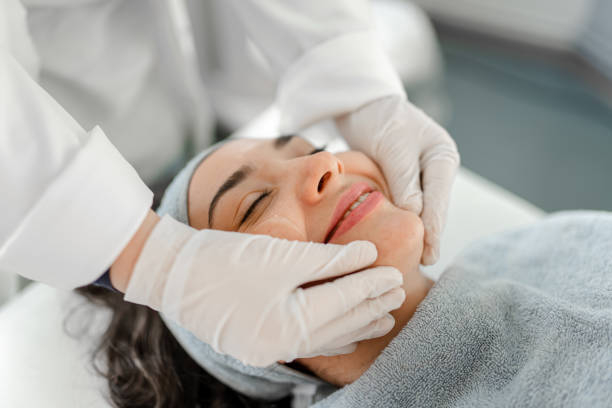
In recent years, the intersection of beauty and medicine has created an exciting and rapidly growing field known as medical beauty. Combining innovative medical techniques with aesthetic treatments, this domain offers non-invasive or minimally invasive solutions that provide lasting, natural-looking results. Medical beauty focuses on enhancing and rejuvenating an individual’s appearance without the need for invasive surgery, making it an attractive option for those seeking subtle yet effective improvements.

As beauty standards continue to evolve and technology advances, medical beauty is becoming a mainstream choice for individuals looking to improve their appearance, boost their confidence, and maintain youthful vitality. This article explores the growing prominence of medical beauty, the treatments that are shaping its future, and the numerous benefits it offers to those seeking to look and feel their best.

Defining Medical Beauty

Medical beauty encompasses a wide range of cosmetic procedures and treatments that aim to improve the aesthetic appearance of the skin, face, and body. These procedures typically use advanced medical technology and require the expertise of qualified professionals, such as dermatologists, plastic surgeons, or certified aestheticians.

Unlike traditional beauty treatments, such as skincare products or makeup, medical beauty treatments go beyond surface-level solutions by addressing underlying causes of cosmetic concerns. For example, medical beauty can treat the root causes of aging, acne scars, skin discoloration, and stubborn body fat, using scientifically proven techniques to achieve desired results.

The Surge in Popularity of Medical Beauty

Several factors have contributed to the remarkable rise of medical beauty treatments in recent years.

1. The Desire for Natural Enhancements

Medical beauty focuses on creating subtle and natural-looking results rather than drastic changes. Many people are looking for enhancements that improve their appearance while maintaining a natural aesthetic. Treatments like Botox, dermal fillers, and non-surgical facelifts are designed to enhance the individual’s features without making them look “overdone.” The emphasis is on restoring lost volume, smoothing fine lines, and providing a youthful glow—without altering the fundamental structure of the face or body.

2. Non-Surgical Options with Minimal Downtime

One of the most significant benefits of medical beauty is its non-invasive or minimally invasive nature. Many of these procedures can be done in-office with little to no downtime, allowing patients to return to their daily routines immediately. Traditional surgeries, on the other hand, often involve long recovery periods and significant risks. Non-surgical treatments such as Botox, fillers, and laser resurfacing allow patients to achieve noticeable results with minimal disruption to their lives.

3. Technological Advancements

Medical beauty has significantly benefited from advancements in technology. New treatments, devices, and injectables are continually being developed, offering better results with fewer side effects and faster recovery times. Technologies such as laser therapies, cryolipolysis (fat freezing), and radiofrequency have revolutionized the field, providing patients with safe, effective, and customized solutions for a variety of aesthetic concerns.

4. Increased Accessibility

The popularity of medical beauty is also due to its increased accessibility. As more professionals are trained in advanced aesthetic procedures and the costs of treatments become more competitive, more people can access these services. Social media platforms also contribute to awareness, as users share their experiences and results, creating a sense of community and connection around the world of medical beauty.

Key Medical Beauty Treatments

Medical beauty offers a broad range of treatments designed to address specific concerns related to aging, skin health, body contouring, and more. Some of the most popular and widely practiced treatments include:

1. Botox and Neurotoxins

Botox is perhaps the most well-known medical beauty treatment. It works by temporarily blocking nerve signals that cause muscles to contract, which helps to smooth out fine lines and wrinkles. Botox is commonly used to treat areas such as crow’s feet around the eyes, frown lines between the eyebrows, and forehead wrinkles.

Other neurotoxins, including Dysport, Xeomin, and Jeuveau, work in a similar way, offering subtle wrinkle reduction with minimal risk and downtime. These treatments are particularly popular for individuals seeking a youthful appearance without the invasiveness of surgery.

2. Dermal Fillers

Dermal fillers are injectable substances that restore volume to areas of the face that have lost fullness due to aging or other factors. These fillers can plump the cheeks, smooth out nasolabial folds, fill in under-eye hollows, and enhance lip volume. Popular filler brands include Juvederm, Restylane, and Radiesse, which are made from hyaluronic acid, a naturally occurring substance that provides moisture and elasticity to the skin.

Unlike Botox, which targets wrinkles caused by muscle contractions, dermal fillers restore volume and improve the contour of the face. The results are immediate and typically last anywhere from six months to two years.

3. Laser Skin Resurfacing

Laser skin resurfacing uses concentrated light energy to stimulate the skin’s natural healing process, improving skin texture, tone, and elasticity. This treatment is effective for addressing acne scars, sun damage, fine lines, wrinkles, and pigmentation issues.

Types of laser treatments include fractional CO2 lasers, which target deeper layers of the skin to reduce wrinkles and scars, and Intense Pulsed Light (IPL), which is more suitable for treating pigmentation and redness. Lasers can also help with collagen stimulation, leading to firmer, more youthful skin over time.

4. Chemical Peels

Chemical peels are used to exfoliate the outer layers of the skin by applying a chemical solution that removes dead skin cells and stimulates the growth of new skin. This treatment can improve skin texture, reduce fine lines, and lighten pigmentation issues such as sunspots and melasma.

Peels range from mild (superficial) to deep, depending on the severity of the skin condition being treated. Superficial peels are often used to improve acne and skin tone, while deeper peels can address more significant skin concerns like deep wrinkles and severe sun damage.

5. CoolSculpting (Cryolipolysis)

CoolSculpting is a non-invasive fat reduction procedure that uses controlled cooling to freeze and eliminate stubborn fat cells in targeted areas. This treatment is popular for areas like the abdomen, thighs, and under the chin, where fat may be resistant to diet and exercise.

The body naturally processes and eliminates the frozen fat cells over time, leaving the treated area slimmer and more sculpted. CoolSculpting provides a safe and effective alternative to liposuction, with minimal risk and no downtime.

6. Microneedling

Microneedling is a treatment that uses tiny, fine needles to create micro-channels in the skin. This process stimulates the production of collagen and elastin, leading to smoother skin with reduced fine lines, wrinkles, and acne scars.

Microneedling is often combined with Platelet-Rich Plasma (PRP) therapy, also known as the Vampire Facial, where a patient’s own blood is used to enhance the healing and rejuvenating effects of the treatment.

The Benefits of Medical Beauty

The benefits of medical beauty are numerous, making it a highly attractive option for those seeking aesthetic enhancements. Some of the most notable advantages include:

2. Non-Surgical Options with Minimal Downtime

0

One of the greatest benefits of medical beauty is the ability to achieve a refreshed, youthful appearance while maintaining a natural look. Many treatments focus on enhancing the face and body in a way that preserves the individual’s inherent features. For example, Botox smooths wrinkles without altering facial expressions, and dermal fillers restore volume without looking artificial.

2. Non-Surgical Options with Minimal Downtime

1

Unlike traditional cosmetic surgeries, medical ultherapy prime 效果 procedures typically require little to no recovery time. Most patients can resume normal activities within hours or days of treatment, making medical beauty an ideal choice for those with busy schedules.

2. Non-Surgical Options with Minimal Downtime

2

Many medical beauty treatments offer long-lasting effects, with some results extending up to a year or more. For instance, Botox typically lasts for 3 to 6 months, while dermal fillers can last from 6 months to 2 years. As such, patients can enjoy prolonged enhancements without needing frequent touch-ups.

2. Non-Surgical Options with Minimal Downtime

3

Medical beauty offers highly customizable treatments, allowing professionals to tailor procedures to each individual’s needs. Whether addressing wrinkles, skin texture, volume loss, or body contouring, practitioners can create personalized plans that align with each patient’s unique goals and desires.

The Future of Medical Beauty

As technology continues to advance, the medical beauty industry is poised for continued growth and innovation. Future treatments may incorporate artificial intelligence, 3D imaging, and regenerative medicine to offer even more precise, personalized, and effective results. Additionally, advancements in biotechnology and genetic analysis may enable professionals to create individualized treatment plans based on a person’s unique skin characteristics.

With an increasing demand for non-invasive aesthetic procedures, the future of medical beauty is bright, offering new possibilities for self-care, confidence, and self-expression.

Conclusion

Medical beauty is revolutionizing the way individuals approach aesthetics, providing a wide range of non-surgical, effective, and customizable treatments to enhance appearance and boost confidence. From Botox and dermal fillers to body contouring and laser treatments, medical beauty offers targeted solutions that cater to individual needs, all while providing natural, long-lasting results. As technology continues to evolve, the world of medical beauty is sure to expand, offering even more advanced, accessible, and personalized treatments that empower people to look and feel their best.
Leave a Reply

Your email address will not be published. Required fields are marked *

Related Post

Cardiology: Understanding the Heart and Advancements in Cardiac CareCardiology: Understanding the Heart and Advancements in Cardiac Care

Cardiology, the medical field dedicated to diagnosing, treating, and preventing heart-related diseases, is at the forefront of healthcare due to the central role the heart plays in overall well-being. The heart is responsible for pumping blood throughout the body, ensuring that oxygen and essential nutrients reach every cell. As heart disease remains one of the leading causes of death worldwide, cardiology continues to evolve with new diagnostic tools, treatment methods, and preventive strategies that aim to reduce the burden of cardiovascular illnesses.

The Importance of Heart Health

The human heart is an extraordinary organ. Comprised of four chambers, it pumps blood through a complex network of blood vessels, ensuring the body’s tissues receive a constant supply of oxygen and nutrients. Without the heart’s continuous function, the body cannot sustain life. Unfortunately, due to genetics, lifestyle choices, and environmental factors, the heart is also susceptible to a wide range of diseases that can affect its efficiency.

These conditions can range from minor issues, such as high blood pressure or irregular heartbeats, to life-threatening conditions, such as heart attacks, heart failure, and arrhythmias. Understanding the underlying causes of these diseases and how to address them is vital, and that’s where cardiology plays a crucial role.

Key Heart Diseases and Conditions

Cardiology addresses a variety of heart-related conditions. Some of the most common heart diseases include:

  1. Coronary Artery Disease (CAD): CAD is one of the most common forms of heart disease. It occurs when plaque—made up of fat, cholesterol, and other substances—builds up in the coronary arteries, narrowing them and limiting blood flow to the heart muscle. This can lead to chest pain (angina), heart attacks, and heart failure. CAD is often managed through lifestyle changes, medications, and interventions such as angioplasty or coronary artery bypass surgery.

  2. Heart Failure: This condition arises when the heart is unable to pump blood effectively, leading to fluid buildup in the lungs, abdomen, and lower extremities. While heart failure is a chronic condition, with proper management through medication, lifestyle changes, and occasionally, surgeries like heart transplants, patients can often live with heart failure for many years.

  3. Arrhythmias: These are irregular heart rhythms that can either cause the heart to beat too fast (tachycardia), too slow (bradycardia), or in an irregular pattern. Arrhythmias can lead to dizziness, fainting, or more severe outcomes, such as strokes. Common arrhythmias include atrial fibrillation and ventricular fibrillation, and treatments may involve medications, pacemakers, or surgical interventions.

  4. Valvular Heart Disease: The heart contains four valves that ensure blood flows in one direction through its chambers. When these valves become damaged or diseased, they can lead to heart murmurs, shortness of breath, or even heart failure. In some cases, valvular heart disease may require valve replacement surgery or other interventions.

  5. Hypertension (High Blood Pressure): Often referred to as the "silent killer," high blood pressure can cause significant damage to the heart and blood vessels. It increases the risk of heart attack, stroke, and kidney failure. Managing hypertension through medication, exercise, and dietary changes is crucial for reducing these risks.

  6. Congenital Heart Defects: These are heart defects that are present at birth. Some of these conditions may be minor and require no treatment, while others may necessitate surgery or long-term management. Pediatric cardiologists specialize in diagnosing and treating congenital heart conditions, ensuring children with these conditions can lead healthy lives.

The Role of Cardiologists in Heart Care

Cardiologists are specialized physicians who are trained to manage a wide range of heart diseases. They diagnose heart conditions through physical exams, lab tests, imaging studies (such as echocardiograms and stress tests), and other diagnostic procedures like angiograms. Cardiologists also guide patients in preventing heart disease by offering lifestyle advice, managing risk factors like high cholesterol, and prescribing medications when necessary.

Specialized areas within cardiology include:

  • Interventional Cardiology: These cardiologists focus on using catheter-based techniques to treat coronary artery disease, including procedures like angioplasty and stent placements to open blocked arteries.

  • Electrophysiology: This subfield is concerned with diagnosing and treating arrhythmias. Electrophysiologists perform procedures like catheter ablation to correct abnormal heart rhythms.

  • Pediatric Cardiology: Pediatric cardiologists specialize in diagnosing and treating heart conditions in children, including congenital heart defects and other cardiovascular conditions that may arise in childhood.

  • Preventive Cardiology: Cardiologists in this area work with patients to identify and mitigate risk factors for heart disease, such as obesity, smoking, high blood pressure, and diabetes, through lifestyle modifications and regular screenings.

Technological Advancements in 冠心病檢查

The field of cardiology has seen significant advancements over the past few decades, largely due to technological innovations. Some of the most important breakthroughs include:

  1. Cardiac Imaging: Advanced imaging techniques, such as magnetic resonance imaging (MRI), computed tomography (CT), and echocardiography, provide cardiologists with detailed, non-invasive images of the heart. These imaging tools help in the diagnosis of heart diseases and the planning of surgeries and interventions.

  2. Minimally Invasive Procedures: Interventional cardiology has made great strides in allowing cardiologists to treat heart disease using minimally invasive techniques. Procedures like angioplasty, where a balloon is used to open up blocked arteries, or transcatheter aortic valve replacement (TAVR) for patients with severe valve disease, have reduced the need for open-heart surgery and shortened recovery times.

  3. Wearable Technology: The rise of wearable devices like fitness trackers and smartwatches has enabled patients to monitor their heart rate, blood pressure, and other vital signs in real time. Some devices even alert users to irregular heart rhythms, making it easier to detect problems early and intervene before serious complications arise.

  4. Artificial Intelligence (AI) and Machine Learning: AI is making waves in cardiology by helping clinicians analyze medical data more efficiently. AI algorithms are now being used to interpret heart imaging, predict patient outcomes, and provide personalized treatment plans. Machine learning can assist in detecting conditions like heart disease at earlier stages, improving prognosis and treatment success.

  5. Gene Therapy and Stem Cell Research: Cutting-edge research into gene therapy and stem cell treatments holds the potential to revolutionize how heart disease is treated. Gene therapy could potentially correct genetic defects that cause congenital heart conditions, while stem cell therapies might enable the regeneration of damaged heart tissue, offering hope for patients with heart failure or other chronic conditions.

Preventing Heart Disease: Lifestyle and Risk Factors

One of the key focuses of cardiology today is prevention. Many heart diseases can be prevented or managed with proper lifestyle changes and routine check-ups. Cardiologists emphasize the importance of:

  • Regular Exercise: Cardiologists recommend at least 150 minutes of moderate-intensity exercise per week. Physical activity strengthens the heart, lowers blood pressure, improves cholesterol levels, and helps with weight management.

  • Heart-Healthy Diet: A balanced diet rich in fruits, vegetables, whole grains, lean proteins, and healthy fats can reduce the risk of heart disease. Cardiologists often recommend the Mediterranean diet, which has been shown to benefit heart health.

  • Smoking Cessation: Smoking is a major contributor to heart disease, and quitting smoking reduces the risk of heart attack, stroke, and other cardiovascular diseases. Cardiologists provide support and resources for patients who wish to quit.

  • Stress Management: Chronic stress can lead to high blood pressure and other risk factors for heart disease. Cardiologists encourage patients to find effective ways to manage stress, such as through meditation, yoga, and mindfulness practices.

  • Routine Check-Ups: Regular check-ups allow for early detection of risk factors like high blood pressure, high cholesterol, and diabetes. Cardiologists recommend regular screenings and preventive care to catch potential heart problems early.

The Future of Cardiology

The future of cardiology is bright, with innovations in technology, research, and patient care paving the way for more effective treatments and better patient outcomes. As gene therapy, AI, and wearable technologies continue to advance, cardiologists will be able to provide more personalized care tailored to the specific needs of individual patients.

As the global burden of heart disease continues to rise, cardiology’s role in prevention, early detection, and cutting-edge treatments will remain crucial in improving public health. Through continued research, education, and innovation, the future of cardiology holds the promise of a world with healthier hearts and longer lives.

Conclusion

Cardiology plays a central role in modern healthcare, as heart disease remains one of the most common and devastating medical conditions worldwide. With a focus on early detection, innovative treatments, and preventive care, cardiologists are working tirelessly to reduce the impact of heart disease. As technological advancements continue to revolutionize the field, the future of cardiology promises to deliver even more effective solutions for heart health. Through a combination of medical expertise and patient engagement, cardiology is helping millions of people live longer, healthier lives.

Efek Samping Terkait Aborsi MelihatEfek Samping Terkait Aborsi Melihat

Klinik Aborsi Raden Saleh telah berkembang jauh lebih luas di berbagai wilayah di seluruh dunia, banyak wanita unik memilih untuk tidak memiliki anak karena berbagai alasan. Meskipun ada berbagai strategi untuk melakukan aborsi yang aman dan sah baik di pusat kebugaran maupun klinik, ada beberapa efek samping lain yang mungkin dialami pasangan pilihan Anda dalam jumlah yang berbeda dari wanita ke pria.

Biasanya efek negatif fisiknya

Efek samping utama yang terkait dengan metode ini adalah masalah serius pada sistem pencernaan yang disertai dengan keluarnya cairan yang banyak. Setiap kali aborsi terjadi, selaput dinding rahim mulai mengelupas, dan ini menyebabkan pendarahan. Efek samping standar yang berbeda tentunya adalah infeksi atau sekadar mual ringan yang mungkin terjadi jika wanita tersebut tidak mampu dan belum pulih sepenuhnya dari aborsi yang dilakukannya. Begitu rongga gigi rahim mengaktifkan sejumlah pembuluh darah, itu disebut Hematrometra yang merupakan efek samping dari aborsi. Banyak wanita dari segala usia mungkin merasakan perforasi pada rahim atau mungkin vesika plus masalah usus. Seringkali, sejumlah layanan untuk persepsi aman disewa saat masih dalam kandungan dan mungkin juga perlu diekstraksi satu per satu. Efek emosional yang tidak diinginkan ini

Banyak wanita menghabiskan hampir semua hiburan dengan seks atau mungkin mendapatkan ketidaksukaan yang cukup besar terhadap keintiman setelah melakukan semua tindakan. Orang-orang ini menghubungkan seksual dan seks dengan memiliki bayi dan merasa takut bahwa mereka mungkin bisa hamil lagi dan harus menjalani proses tersebut jika ini terjadi. Beberapa wanita menjalani gaya hidup promiscuous. Gadis itu biasanya tidak mungkin terlibat dengan satu pasangan tertentu dan menjadi indiscriminate dengan banyak pria sekaligus. Segala dampak negatif yang tidak disadari

Akibat kehilangan anak, dia merasa bersalah dan mulai menyalahkan dirinya sendiri atas kecelakaan tersebut. Mereka biasanya menjadi frustrasi dan atau menghabiskan uang jika dia tidak dapat mengatasi rasa bersalahnya. Anggota keluarga, khususnya pasangannya, harus cukup perhatian kepada gadis tersebut untuk membantu mereka menjadi lebih baik. Anda harus mempertimbangkan setiap akibat dari aborsi sebelum memutuskan untuk benar-benar merasakannya. Pahami pengaruh psikologis dan emosionalnya secara efisien. Pelajari apa yang perlu dilakukan. Bagi siapa pun yang menjadi pasangan wanita tersebut, pastikan wanita tersebut dapat menghubungkan keinginannya dengan Anda dengan benar. Pada saat yang sama, pastikan Anda menghargai berbagai akibat mental dan juga memenuhi keinginan pasangan Anda. Tentu saja, lebih baik aman untuk digunakan daripada menyedihkan, bukan?

The Sweetness Of Nature: Exploring The Wonders And Benefits Of Love Across Account And CulturesThe Sweetness Of Nature: Exploring The Wonders And Benefits Of Love Across Account And Cultures

Honey, often referred to as liquidness gold, is a natural message produced by bees through the work of converting ambrosia into beloved. This age-old sweetening has been used for centuries, not just as a food fixings but also for its medicinal, cosmetic, and taste signification. With its unique taste and diverse properties, royal honey dubai is celebrated world-wide, and its rich chronicle dates back to antediluvian civilizations that revered its many uses. Today, loved one cadaver a staple in kitchens across the world and continues to be praised for its ten thousand wellness benefits.

The work of dearest product begins when bees collect ambrosia from flowers, which they stash awa in their dearest sacs. Back in the hive, the nectar is passed from bee to bee, where enzymes are added to fall apart down the complex sugars. The ambrosia is then dehydrated by the bees fanning their wings, sooner or later turning it into midst, golden honey. Different varieties of honey are produced depending on the types of flowers the bees visit. These variations lead to different colours, flavors, and textures, from light and mild to dark and robust. Among the most sought-after types of dearest are Manuka, Acacia, Clover, and Buckwheat, each delivery a unusual smack and set of benefits to the remit.

Historically, honey was extremely regarded by ancient cultures. The Egyptians used it for its medicinal properties and as an offering to their gods. It was also found in tombs and temples, often attended by the opinion that honey had the ability to have life in the hereafter. In Greek and Roman times, beloved was well-advised a symbol of wealthiness and successfulness. The ancient Greeks even believed that dearest had qualities and associated it with their gods. Its grandness outspread beyond the Mediterranean, with cultures across Asia and Africa using dear as both a food and medicate.

In modern font times, love continues to be a versatile fixings in the kitchen. It is used to dulcorate teas, dressings, and desserts and is a favourite addition to baked goods. Honey also plays a key role in the health and health industry, where it is recognized for its various sanative properties. Rich in antioxidants, vitamins, and minerals, love has long been used as a natural remedy for sore throats, issues, and skin ailments. Its antibacterial drug and anti-inflammatory qualities make it a green ingredient in do-it-yourself remedies, from comfortable coughs to therapeutic wounds. Honey’s high content of levulose also provides a promptly source of vitality, qualification it a favorite among athletes and fitness enthusiasts.

Beyond its organic process value, beloved also holds a outstanding target in stunner and skin care. Many populate use love as a natural moisturizer, face mask, and hair handling. The enzymes in loved one help exfoliate the skin, while its cancel humectant properties allow it to retain moisture, qualification it nonesuch for dry or spiritualist skin. Its antioxidant and antibacterial drug effects also help battle acne and other skin irritations. Honey-based skincare products are pop in the stunner manufacture due to their gruntl, nourishing nature.

Despite its many benefits, it’s probatory to note that dear should be used-up in temperance. While it provides cancel sugars and nutrients, overconsumption can lead to wellness issues such as weight gain or multiplied rip sugar levels. Additionally, infants under one year of age should not waste dear due to the risk of botulism, a rare but serious malady that can affect babies' systems.

In conclusion, dearest is much more than just a sweetener. It is a gift from nature with a rich chronicle, a concourse of health benefits, and a target in both cooking and traditions. Whether used as a natural relieve, a food bilinear, or a skin care root, honey’s unchanged invoke continues to becharm populate all over the worldly concern, proving that this simpleton yet unusual content is truly one of nature’s superior gifts.

Understanding Acne and How Traditional Chinese Medicine (TCM) Can HelpUnderstanding Acne and How Traditional Chinese Medicine (TCM) Can Help

Acne is a common skin condition that affects people of all ages, particularly adolescents and young adults. It often leads to both physical discomfort and emotional distress, with many individuals seeking solutions that will not only clear their skin but also address the underlying causes. While traditional Western medicine typically relies on topical creams, oral medications, and procedures to manage acne, Traditional Chinese Medicine (TCM) offers a holistic approach that addresses both the external symptoms and the internal imbalances contributing to the condition.

At Yang Kang Chinese Medicine, a clinic specializing in acne care, they believe that acne is not just a skin problem but a reflection of deeper imbalances within the body. By using acupuncture, herbal medicine, cupping therapy, and dietary adjustments, TCM aims to restore balance to the body’s energy, enhance circulation, and promote overall wellness, all of which can help clear acne and prevent future flare-ups.

What is Acne?

Acne is a skin condition that occurs when hair follicles become clogged with oil, dead skin cells, and sometimes bacteria. It manifests as pimples, blackheads, whiteheads, cysts, and nodules, typically on the face, back, shoulders, and chest. While it is most common during adolescence due to hormonal changes, acne can affect individuals at any age.

The primary causes of acne are:

  1. Hormonal changes: Puberty, menstruation, pregnancy, and conditions like polycystic ovary syndrome (PCOS) lead to hormonal imbalances that increase the production of sebum (skin oil), which can clog pores and lead to acne.
  2. Excessive oil production: Overactive sebaceous glands produce more oil than the skin needs, leading to blocked hair follicles.
  3. Bacterial infection: Propionibacterium acnes (P. acnes) is a bacteria that thrives in clogged pores, leading to inflammation and the development of pimples or cysts.
  4. Dietary factors: High-glycemic foods, dairy products, and excessive sugar intake have been linked to increased acne development in some individuals.
  5. Stress: Stress can trigger hormonal fluctuations and inflammation, both of which can exacerbate acne.
  6. Genetics: If your parents had acne, you may be more likely to develop it as well.

While topical treatments like benzoyl peroxide and salicylic acid are commonly used to treat acne, many people seek out natural and holistic alternatives to avoid harsh chemicals, side effects, or long-term dependency on medications. This is where Traditional Chinese Medicine can offer a unique approach.

The TCM Approach to Acne

Traditional Chinese Medicine views acne as a result of imbalances in the body’s internal systems, particularly the Qi (energy), blood, liver, and kidneys. According to TCM, the skin is directly related to the internal organs, and acne can indicate disruptions in the flow of energy or imbalances within certain bodily systems.

1. Qi and Blood Imbalance

In TCM, Qi refers to the body’s vital energy that flows through pathways called meridians. Acne can be caused by an obstruction or imbalance in Qi. When there is a stagnation of Qi, it can lead to heat accumulation in the body, which manifests as inflammation and breakouts on the skin. Similarly, an imbalance in blood circulation can cause poor skin health, resulting in acne.

To address this, TCM treatments focus on regulating Qi and improving blood circulation, which promotes healthy, clear skin.

2. Liver and Kidney Imbalances

According to TCM theory, the Liver plays a major role in regulating the flow of Qi and emotions, while the Kidneys are responsible for maintaining the body's internal balance. If the Liver is overactive, it can lead to an excess of heat and toxins in the body, causing acne to appear, especially in the form of cystic or inflammatory breakouts. On the other hand, weak kidneys can result in dry skin and a lack of nourishment to the skin.

TCM practitioners work to balance the Liver and Kidney by using specific acupuncture points and herbal remedies that help calm the liver and nourish the kidneys.

3. Heat and Dampness in the Body

In Chinese medicine, heat and dampness are often associated with skin conditions like acne. Heat in the body can result from an improper diet, stress, or excessive alcohol consumption. It leads to inflammation and the appearance of red, swollen pimples. Dampness, on the other hand, results from poor digestion or an excess of greasy foods, causing the skin to become oily and leading to clogged pores.

TCM seeks to eliminate heat and dampness through both internal and external treatments, including herbal medicine, acupuncture, and facial treatments.

How TCM Treats Acne

TCM treatments for acne go beyond simply targeting the skin—they aim to treat the root cause of the condition, whether it’s an internal imbalance or an external factor. Below are some common TCM therapies used to treat acne:

1. Acupuncture for 玫瑰痤瘡

Acupuncture involves inserting thin needles into specific points on the body to help regulate the flow of Qi, restore balance, and improve circulation. For acne patients, facial acupuncture is commonly used to target points related to the skin, the liver, and the digestive system. Acupuncture helps reduce inflammation, enhance blood flow to the skin, and encourage detoxification, all of which contribute to clearer skin. It also helps alleviate stress, which is often a contributing factor to acne flare-ups.

2. Herbal Medicine

Herbal remedies are central to Traditional Chinese Medicine, and a variety of herbs are used to treat acne by clearing heat, promoting detoxification, and supporting the organs. For example, pueraria root can help clear toxins, huang lian can cool the liver, and dandelion root has anti-inflammatory properties that can help reduce redness and swelling.

A TCM practitioner may customize a formula specifically for your condition, targeting the exact imbalances causing your acne. These formulas can come in the form of teas, pills, or tinctures.

3. Cupping Therapy

Cupping therapy is an ancient practice that involves placing special cups on the skin to create suction. This promotes blood circulation and lymphatic drainage, which can help detoxify the body and clear the skin. Cupping can also relieve stress and tension, which are common triggers for acne.

Cupping therapy is particularly beneficial for individuals who experience acne due to stagnant blood flow or hormonal imbalance. By improving circulation and helping the body expel toxins, cupping therapy can promote clearer, healthier skin.

4. Facial Steaming and Herbal Masks

Facial steaming is a common TCM treatment that involves inhaling steam infused with herbs known for their skin-clearing properties. The heat opens up pores and helps to expel trapped oils and toxins, while the herbs have anti-inflammatory and antimicrobial effects.

Additionally, herbal masks made from ingredients like green tea, turmeric, or licorice root can be applied to the face to reduce redness, soothe inflammation, and promote skin healing.

5. Dietary Adjustments

TCM also emphasizes the importance of diet in treating acne. Foods that are rich in fat, sugar, and dairy can exacerbate acne. TCM practitioners often recommend a diet that focuses on whole foods, such as vegetables, fruits, whole grains, and lean proteins, while avoiding greasy, spicy, or overly processed foods.

Herbs like chrysanthemum and mint may be recommended for detoxification, while avoiding certain foods that trigger heat or dampness in the body can help prevent acne outbreaks.

Benefits of TCM for Acne Treatment

  1. Holistic Healing: TCM addresses not only the acne but also the underlying causes, ensuring long-term skin health.
  2. Minimal Side Effects: Unlike some pharmaceutical treatments that come with harsh side effects, TCM uses natural remedies that are gentle on the body.
  3. Personalized Treatment: Every individual’s acne is different, and TCM practitioners create personalized treatment plans tailored to each person’s unique needs.
  4. Prevention: TCM focuses on promoting overall health and preventing future acne outbreaks rather than just treating the current symptoms.

Conclusion

Acne is a common condition that can have both physical and emotional impacts, but it doesn’t have to be a permanent struggle. Traditional Chinese Medicine offers a natural and effective solution that addresses the root causes of acne, helping to promote clear, healthy skin. By combining acupuncture, herbal medicine, cupping therapy, and dietary changes, TCM practitioners can help individuals not only heal their acne but also restore balance to their bodies for lasting results.

If you're tired of relying on harsh chemicals and medications that only offer temporary relief, consider exploring TCM treatments for a more holistic and sustainable approach to acne care. Whether you’re dealing with mild acne or severe breakouts, Yang Kang Chinese Medicine is dedicated to helping you achieve clear skin naturally and safely.

Drawbacks of modern sexual datingDrawbacks of modern sexual dating

With so many options available, there is a lot of pressure to find the “perfect” partner. This can lead to feelings of anxiety and stress as well as dissatisfaction with the sexual dating process. strippers NY.

Lack of authenticity

Social media and sexual dating apps can help you connect with potential partners and create a sense of authenticity. People can present a false image of themselves online, leading to disappointment and frustration when meeting in person.

Modern sexual dating relies heavily on technology, which can be both a blessing and a curse at the same time. Instant access to potential partners is excellent, but it’s easy to get lost in the world of online sex dating and forget the importance of real-world interactions.