
Mscqbq Health & Fitness Cardiology: Understanding the Heart and Advancements in Cardiac Care

Cardiology: Understanding the Heart and Advancements in Cardiac Care

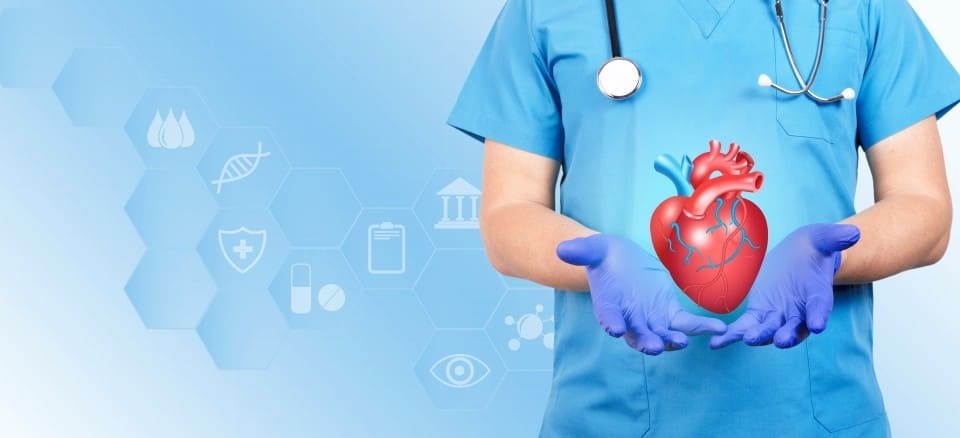
Cardiology, the medical field dedicated to diagnosing, treating, and preventing heart-related diseases, is at the forefront of healthcare due to the central role the heart plays in overall well-being. The heart is responsible for pumping blood throughout the body, ensuring that oxygen and essential nutrients reach every cell. As heart disease remains one of the leading causes of death worldwide, cardiology continues to evolve with new diagnostic tools, treatment methods, and preventive strategies that aim to reduce the burden of cardiovascular illnesses.

The Importance of Heart Health

The human heart is an extraordinary organ. Comprised of four chambers, it pumps blood through a complex network of blood vessels, ensuring the body’s tissues receive a constant supply of oxygen and nutrients. Without the heart’s continuous function, the body cannot sustain life. Unfortunately, due to genetics, lifestyle choices, and environmental factors, the heart is also susceptible to a wide range of diseases that can affect its efficiency.

These conditions can range from minor issues, such as high blood pressure or irregular heartbeats, to life-threatening conditions, such as heart attacks, heart failure, and arrhythmias. Understanding the underlying causes of these diseases and how to address them is vital, and that’s where cardiology plays a crucial role.

Key Heart Diseases and Conditions

Cardiology addresses a variety of heart-related conditions. Some of the most common heart diseases include:

  1. Coronary Artery Disease (CAD): CAD is one of the most common forms of heart disease. It occurs when plaque—made up of fat, cholesterol, and other substances—builds up in the coronary arteries, narrowing them and limiting blood flow to the heart muscle. This can lead to chest pain (angina), heart attacks, and heart failure. CAD is often managed through lifestyle changes, medications, and interventions such as angioplasty or coronary artery bypass surgery.

  2. Heart Failure: This condition arises when the heart is unable to pump blood effectively, leading to fluid buildup in the lungs, abdomen, and lower extremities. While heart failure is a chronic condition, with proper management through medication, lifestyle changes, and occasionally, surgeries like heart transplants, patients can often live with heart failure for many years.

  3. Arrhythmias: These are irregular heart rhythms that can either cause the heart to beat too fast (tachycardia), too slow (bradycardia), or in an irregular pattern. Arrhythmias can lead to dizziness, fainting, or more severe outcomes, such as strokes. Common arrhythmias include atrial fibrillation and ventricular fibrillation, and treatments may involve medications, pacemakers, or surgical interventions.

  4. Valvular Heart Disease: The heart contains four valves that ensure blood flows in one direction through its chambers. When these valves become damaged or diseased, they can lead to heart murmurs, shortness of breath, or even heart failure. In some cases, valvular heart disease may require valve replacement surgery or other interventions.

  5. Hypertension (High Blood Pressure): Often referred to as the "silent killer," high blood pressure can cause significant damage to the heart and blood vessels. It increases the risk of heart attack, stroke, and kidney failure. Managing hypertension through medication, exercise, and dietary changes is crucial for reducing these risks.

  6. Congenital Heart Defects: These are heart defects that are present at birth. Some of these conditions may be minor and require no treatment, while others may necessitate surgery or long-term management. Pediatric cardiologists specialize in diagnosing and treating congenital heart conditions, ensuring children with these conditions can lead healthy lives.

The Role of Cardiologists in Heart Care

Cardiologists are specialized physicians who are trained to manage a wide range of heart diseases. They diagnose heart conditions through physical exams, lab tests, imaging studies (such as echocardiograms and stress tests), and other diagnostic procedures like angiograms. Cardiologists also guide patients in preventing heart disease by offering lifestyle advice, managing risk factors like high cholesterol, and prescribing medications when necessary.

Specialized areas within cardiology include:

  • Interventional Cardiology: These cardiologists focus on using catheter-based techniques to treat coronary artery disease, including procedures like angioplasty and stent placements to open blocked arteries.

  • Electrophysiology: This subfield is concerned with diagnosing and treating arrhythmias. Electrophysiologists perform procedures like catheter ablation to correct abnormal heart rhythms.

  • Pediatric Cardiology: Pediatric cardiologists specialize in diagnosing and treating heart conditions in children, including congenital heart defects and other cardiovascular conditions that may arise in childhood.

  • Preventive Cardiology: Cardiologists in this area work with patients to identify and mitigate risk factors for heart disease, such as obesity, smoking, high blood pressure, and diabetes, through lifestyle modifications and regular screenings.

Technological Advancements in 冠心病檢查

The field of cardiology has seen significant advancements over the past few decades, largely due to technological innovations. Some of the most important breakthroughs include:

  1. Cardiac Imaging: Advanced imaging techniques, such as magnetic resonance imaging (MRI), computed tomography (CT), and echocardiography, provide cardiologists with detailed, non-invasive images of the heart. These imaging tools help in the diagnosis of heart diseases and the planning of surgeries and interventions.

  2. Minimally Invasive Procedures: Interventional cardiology has made great strides in allowing cardiologists to treat heart disease using minimally invasive techniques. Procedures like angioplasty, where a balloon is used to open up blocked arteries, or transcatheter aortic valve replacement (TAVR) for patients with severe valve disease, have reduced the need for open-heart surgery and shortened recovery times.

  3. Wearable Technology: The rise of wearable devices like fitness trackers and smartwatches has enabled patients to monitor their heart rate, blood pressure, and other vital signs in real time. Some devices even alert users to irregular heart rhythms, making it easier to detect problems early and intervene before serious complications arise.

  4. Artificial Intelligence (AI) and Machine Learning: AI is making waves in cardiology by helping clinicians analyze medical data more efficiently. AI algorithms are now being used to interpret heart imaging, predict patient outcomes, and provide personalized treatment plans. Machine learning can assist in detecting conditions like heart disease at earlier stages, improving prognosis and treatment success.

  5. Gene Therapy and Stem Cell Research: Cutting-edge research into gene therapy and stem cell treatments holds the potential to revolutionize how heart disease is treated. Gene therapy could potentially correct genetic defects that cause congenital heart conditions, while stem cell therapies might enable the regeneration of damaged heart tissue, offering hope for patients with heart failure or other chronic conditions.

Preventing Heart Disease: Lifestyle and Risk Factors

One of the key focuses of cardiology today is prevention. Many heart diseases can be prevented or managed with proper lifestyle changes and routine check-ups. Cardiologists emphasize the importance of:

  • Regular Exercise: Cardiologists recommend at least 150 minutes of moderate-intensity exercise per week. Physical activity strengthens the heart, lowers blood pressure, improves cholesterol levels, and helps with weight management.

  • Heart-Healthy Diet: A balanced diet rich in fruits, vegetables, whole grains, lean proteins, and healthy fats can reduce the risk of heart disease. Cardiologists often recommend the Mediterranean diet, which has been shown to benefit heart health.

  • Smoking Cessation: Smoking is a major contributor to heart disease, and quitting smoking reduces the risk of heart attack, stroke, and other cardiovascular diseases. Cardiologists provide support and resources for patients who wish to quit.

  • Stress Management: Chronic stress can lead to high blood pressure and other risk factors for heart disease. Cardiologists encourage patients to find effective ways to manage stress, such as through meditation, yoga, and mindfulness practices.

  • Routine Check-Ups: Regular check-ups allow for early detection of risk factors like high blood pressure, high cholesterol, and diabetes. Cardiologists recommend regular screenings and preventive care to catch potential heart problems early.

The Future of Cardiology

The future of cardiology is bright, with innovations in technology, research, and patient care paving the way for more effective treatments and better patient outcomes. As gene therapy, AI, and wearable technologies continue to advance, cardiologists will be able to provide more personalized care tailored to the specific needs of individual patients.

As the global burden of heart disease continues to rise, cardiology’s role in prevention, early detection, and cutting-edge treatments will remain crucial in improving public health. Through continued research, education, and innovation, the future of cardiology holds the promise of a world with healthier hearts and longer lives.

Conclusion

Cardiology plays a central role in modern healthcare, as heart disease remains one of the most common and devastating medical conditions worldwide. With a focus on early detection, innovative treatments, and preventive care, cardiologists are working tirelessly to reduce the impact of heart disease. As technological advancements continue to revolutionize the field, the future of cardiology promises to deliver even more effective solutions for heart health. Through a combination of medical expertise and patient engagement, cardiology is helping millions of people live longer, healthier lives.

Leave a Reply

Your email address will not be published. Required fields are marked *

Related Post

Exploring Erotic Massage: A Journey of Intimacy, Relaxation, and SensualityExploring Erotic Massage: A Journey of Intimacy, Relaxation, and Sensuality

Erotic massage is an artful blend of touch, mindfulness, and sensual exploration, offering a deeply intimate experience that enhances both physical pleasure and emotional connection. It is not just a means of physical relaxation but a way to foster intimacy, awaken sensuality, and create a meaningful bond between partners. This unique practice combines elements of relaxation massage with sensual touch to create a memorable and transformative experience.

In this article, we will delve into the essence of erotic massage, its numerous benefits, essential techniques, and how it can elevate intimacy and connection in relationships.

What is Erotic Massage?

Erotic massage is a form of touch-based therapy designed to increase arousal, relaxation, and connection. While many people are familiar with traditional massages aimed at relieving tension or improving circulation, erotic massage is distinct in its focus on engaging the body’s sensual responses. The practice intentionally stimulates erogenous zones to enhance sexual pleasure, yet it is not necessarily aimed at sexual release or orgasm.

Rather than focusing solely on the physical, erotic massage invites a deeper emotional and mental engagement. It emphasizes presence, touch, and awareness of the body’s sensations. Both partners engage in a shared experience of sensuality, trust, and communication. nuru massage hong kong can be practiced alone or with a partner, making it a versatile way to explore one’s body, desires, and relationships.

Key Benefits of Erotic Massage

Erotic massage offers more than just physical relaxation. Its full potential lies in its ability to promote emotional well-being, sexual enhancement, and intimate connection.

1. Enhances Emotional Connection

One of the most powerful benefits of erotic massage is its ability to foster emotional intimacy between partners. The act of massaging and being massaged creates an opportunity for vulnerability, trust, and affection. The slow, deliberate touch and open communication required in erotic massage help create a deeper connection. It encourages couples to be present with one another in a nurturing and non-judgmental space. Over time, this emotional bond can strengthen, deepening the sense of trust and comfort in the relationship.

2. Increases Sensual Awareness and Pleasure

Erotic massage heightens awareness of the body’s sensations. Focusing on sensual touch and erogenous zones enhances sensitivity and helps individuals explore their bodies more thoroughly. Through deliberate touch, people can become more attuned to their personal preferences, what feels good, and what ignites arousal. For couples, this practice can enhance mutual pleasure, as it encourages a more thorough understanding of each other’s physical responses. It’s an opportunity to discover new ways of connecting, exploring sexual desires, and enhancing mutual satisfaction.

3. Promotes Relaxation and Stress Relief

Similar to traditional massage, erotic massage can provide profound relaxation. The slow, methodical strokes work to reduce muscle tension and promote a calm, tranquil state of mind. The practice encourages deep breathing, which further enhances relaxation. Stress relief is a significant aspect of erotic massage, and it goes beyond just physical relaxation—it provides emotional comfort, helping individuals release tension and feel more at ease in their bodies. This can improve overall mood, reduce anxiety, and promote a healthier, more balanced emotional state.

4. Improves Body Confidence and Acceptance

Erotic massage invites participants to reconnect with their bodies in a deeper way, fostering body acceptance and confidence. The gentle exploration of the body, from head to toe, encourages a greater appreciation for its beauty and sensuality. For people who have struggled with body image issues, erotic massage can be an empowering practice, allowing them to feel more comfortable, confident, and at peace with their physical selves. When practiced within the context of a loving relationship, it can also foster a sense of appreciation and respect for one another’s bodies, further enhancing intimacy.

5. Encourages Open Communication

Effective erotic massage requires open and honest communication about desires, boundaries, and comfort levels. This practice gives partners the opportunity to express what feels pleasurable, what they enjoy, and where they may need adjustments. The process of discussing preferences beforehand and during the massage strengthens communication skills within the relationship. This open dialogue builds trust, encourages mutual respect, and deepens the emotional connection. Through this exchange, both partners become more attuned to each other’s needs, which ultimately leads to a more fulfilling, intimate relationship.

Erotic Massage Techniques

The techniques involved in erotic massage are designed to bring awareness to the body, enhance pleasure, and deepen intimacy. These techniques are often used to build anticipation and arousal, ensuring the experience is enjoyable for both partners. Here are some common techniques that are used to create a pleasurable and intimate erotic massage:

1. Slow, Sensual Strokes

Slow, long strokes with the hands or forearms are often used in erotic massage. These strokes cover large areas of the body, such as the back, legs, or arms, and help to relax the body and increase blood flow. The slow pace allows the receiver to sink into the experience and feel each sensation fully. These long strokes promote relaxation, but they also build anticipation as the touch gradually becomes more focused on the erogenous zones.

2. Circular and Kneading Movements

Circular movements and kneading pressure are used to target areas of tension in the body, such as the shoulders, neck, and lower back. These techniques also serve to heighten sensitivity and create a deeper connection between partners. By gradually increasing the pressure and focusing on areas where stress accumulates, the massage can relieve physical discomfort while simultaneously stimulating sexual energy. Kneading motions can be applied to more sensitive areas, such as the thighs and chest, to increase arousal and awaken the body’s sensual energy.

3. Feather-Light Touches

Feather-light touches are an essential part of erotic massage. This technique involves using the fingertips, palms, or even the edge of a feather to lightly stroke the skin. The sensation of a soft, almost tickling touch creates heightened awareness of the skin’s responsiveness. These gentle touches, often applied to the neck, inner thighs, or lower back, can increase sexual excitement and build tension. It’s a delicate way to stimulate the body and create anticipation.

4. Focus on Erogenous Zones

Erogenous zones are areas of the body that are particularly sensitive to touch, and they play an important role in erotic massage. Common erogenous zones include the neck, inner thighs, ears, lower back, and genitals. These zones can be massaged with a variety of techniques—gentle strokes, circular movements, or light pressure—to heighten arousal. Exploring these areas with focus and care allows both partners to discover what feels best, helping to build intimacy and mutual pleasure.

5. Breathing Synchronization

Breathing together is a powerful technique that enhances connection during erotic massage. Synchronizing breath with your partner helps create a sense of unity and calm. It also allows both individuals to be fully present, heightening awareness of the physical and emotional sensations that arise. Deep, slow breathing enhances relaxation, promotes a sense of grounding, and helps to maintain focus throughout the experience.

Setting the Perfect Atmosphere for Erotic Massage

The environment plays a crucial role in creating an intimate and enjoyable erotic massage experience. By preparing the space with care, you can set the tone for a sensual, relaxing, and emotionally fulfilling experience. Here are a few tips for creating the ideal setting:

1. Dim Lighting or Candlelight

Soft, dim lighting enhances the mood of intimacy. Consider using candles to create a warm and inviting atmosphere. The flicker of candlelight can make the space feel more relaxing and sensual, allowing both partners to feel at ease.

2. Soothing Music

Soft, calming music can help to enhance relaxation and set a peaceful tone. Choose instrumental or ambient music that is gentle and rhythmic. The music should complement the massage, encouraging both partners to relax and connect.

3. Aromatherapy

The use of essential oils can enhance the sensory experience of erotic massage. Scents like lavender, jasmine, or sandalwood are known for their relaxing and aphrodisiac qualities. Diffusing essential oils into the air or mixing them with massage oil can create a soothing atmosphere that adds to the overall experience.

4. Comfortable Space

Make sure the space is comfortable and private. Soft towels, blankets, or a massage mat can be used to support the body during the massage. Ensure the room is at a comfortable temperature, so neither partner feels too hot or cold during the experience.

5. Clear Communication

Before beginning the massage, communicate with your partner about boundaries, preferences, and any areas of the body that require special attention. During the massage, check in regularly to ensure comfort and mutual enjoyment. This ongoing communication ensures the experience remains pleasurable for both individuals.

Conclusion: The Art of Erotic Massage

Erotic massage is a transformative practice that combines relaxation, sensual exploration, and emotional connection. Through touch, breath, and communication, partners can foster a deeper intimacy that goes beyond physical pleasure. Whether it’s used as a form of self-care or as a shared experience between couples, erotic massage offers the opportunity to slow down, be present, and connect in ways that enhance emotional, physical, and sexual well-being.

When practiced mindfully and respectfully, erotic massage can enrich relationships, improve body confidence, and provide a deeply fulfilling experience. It’s a reminder that the act of touching, when done with care and intention, has the power to build connection, arouse the senses, and nourish the soul.

Unlocking Growth And Affected Role Participation: The Comprehensive Examination Touch Of Alveolar Integer Selling Strategies On Modern Font Practices In An Progressively Online Worldly ConcernUnlocking Growth And Affected Role Participation: The Comprehensive Examination Touch Of Alveolar Integer Selling Strategies On Modern Font Practices In An Progressively Online Worldly Concern

Dental integer marketing has become an obligatory tool for modern font dental practices aiming to thrive in today s competitive health care landscape. Unlike orthodox merchandising methods, digital merchandising offers mensurable, targeted, and cost-effective ways to strive potency patients, establish swear, and heighten the overall patient role experience. In an era where most people turn to the internet for healthcare information, a fresh online front is no yearner facultative it is essential for attracting and retaining patients.

A well-designed, professional person web site serves as the cornerstone of Dental Marketing integer selling. It acts as a realistic office, providing patients with key information about services, stave, handling options, and power hours. Beyond aesthetics, seek engine optimisation(SEO) ensures that the practice appears in applicable look for results when patients look for services like dentition whitening, dental orthopedics, or dental medicine. By incorporating relevant keywords, optimizing meta descriptions, and maintaining exact local anesthetic listings, dental practices can importantly ameliorate their online visibility, making it easier for potency patients to find them chop-chop and efficiently.

Social media platforms have revolutionized patient role involvement by offering point and interactive . Facebook, Instagram, and LinkedIn allow alveolar practices to share educational content, patient role achiever stories, and behind-the-scenes glimpses of their clinics. Video selling, in particular, has emerged as a mighty medium to procedures, show window transformations, and humanise the rehearse. Paid mixer media campaigns can target particular demographics, reaching families, young professionals, or individuals curious in cosmetic odontology, ultimately generating high-quality leads and conversions.

Content selling complements these efforts by establishing authority and rely. Educational blogs, FAQs, and video tutorials invest patients with noesis about oral wellness, prophylactic care, and the latest alveolar technologies. High-quality not only enhances SEO but also encourages patient role participation, location the dental practitioner as a trusty and informed seed in the area. Additionally, netmail merchandising campaigns provide a target line to existing patients, offer fitting reminders, promotions, and ostensive newsletters that exert current relationships and further repeat visits.

Online repute direction is evenly vital in alveolar consonant digital marketing. Patient reviews and testimonials strongly mold the decisions of prospective clients. Encouraging slaked patients to lead positive reviews on Google, Yelp, or wellness-focused platforms can further believability, while responding thoughtfully to negative feedback demonstrates professionalism and commitment to patient role care. Automated systems for assembling reviews can simplify this process and help control uniform feedback, tributary to a stronger online reputation.

Ultimately, dental integer marketing integrates treble strategies to heighten patient acquisition, engagement, and retentiveness. By leverage a of SEO, mixer media, cosmos, e-mail campaigns, and reputation management, dental consonant practices can make a cohesive online presence that reflects the tone and professionalism of their services. In a worldly concern where online impressions often premise in-person visits, investment in comprehensive integer marketing strategies ensures that alveolar practices not only draw i more patients but also school long-term trust and loyalty, securing property increase in the ever-evolving digital landscape painting.

Efek Samping Terkait Aborsi MelihatEfek Samping Terkait Aborsi Melihat

Klinik Aborsi Raden Saleh telah berkembang jauh lebih luas di berbagai wilayah di seluruh dunia, banyak wanita unik memilih untuk tidak memiliki anak karena berbagai alasan. Meskipun ada berbagai strategi untuk melakukan aborsi yang aman dan sah baik di pusat kebugaran maupun klinik, ada beberapa efek samping lain yang mungkin dialami pasangan pilihan Anda dalam jumlah yang berbeda dari wanita ke pria.

Biasanya efek negatif fisiknya

Efek samping utama yang terkait dengan metode ini adalah masalah serius pada sistem pencernaan yang disertai dengan keluarnya cairan yang banyak. Setiap kali aborsi terjadi, selaput dinding rahim mulai mengelupas, dan ini menyebabkan pendarahan. Efek samping standar yang berbeda tentunya adalah infeksi atau sekadar mual ringan yang mungkin terjadi jika wanita tersebut tidak mampu dan belum pulih sepenuhnya dari aborsi yang dilakukannya. Begitu rongga gigi rahim mengaktifkan sejumlah pembuluh darah, itu disebut Hematrometra yang merupakan efek samping dari aborsi. Banyak wanita dari segala usia mungkin merasakan perforasi pada rahim atau mungkin vesika plus masalah usus. Seringkali, sejumlah layanan untuk persepsi aman disewa saat masih dalam kandungan dan mungkin juga perlu diekstraksi satu per satu. Efek emosional yang tidak diinginkan ini

Banyak wanita menghabiskan hampir semua hiburan dengan seks atau mungkin mendapatkan ketidaksukaan yang cukup besar terhadap keintiman setelah melakukan semua tindakan. Orang-orang ini menghubungkan seksual dan seks dengan memiliki bayi dan merasa takut bahwa mereka mungkin bisa hamil lagi dan harus menjalani proses tersebut jika ini terjadi. Beberapa wanita menjalani gaya hidup promiscuous. Gadis itu biasanya tidak mungkin terlibat dengan satu pasangan tertentu dan menjadi indiscriminate dengan banyak pria sekaligus. Segala dampak negatif yang tidak disadari

Akibat kehilangan anak, dia merasa bersalah dan mulai menyalahkan dirinya sendiri atas kecelakaan tersebut. Mereka biasanya menjadi frustrasi dan atau menghabiskan uang jika dia tidak dapat mengatasi rasa bersalahnya. Anggota keluarga, khususnya pasangannya, harus cukup perhatian kepada gadis tersebut untuk membantu mereka menjadi lebih baik. Anda harus mempertimbangkan setiap akibat dari aborsi sebelum memutuskan untuk benar-benar merasakannya. Pahami pengaruh psikologis dan emosionalnya secara efisien. Pelajari apa yang perlu dilakukan. Bagi siapa pun yang menjadi pasangan wanita tersebut, pastikan wanita tersebut dapat menghubungkan keinginannya dengan Anda dengan benar. Pada saat yang sama, pastikan Anda menghargai berbagai akibat mental dan juga memenuhi keinginan pasangan Anda. Tentu saja, lebih baik aman untuk digunakan daripada menyedihkan, bukan?

Quel Espansione Della Turismo Legato Alla Marijuana: Destinazioni In Certe Aree Hai Modo Di Gustare La Canapa In Maniera Autorizzata E In Modo SicuroQuel Espansione Della Turismo Legato Alla Marijuana: Destinazioni In Certe Aree Hai Modo Di Gustare La Canapa In Maniera Autorizzata E In Modo Sicuro


Negli ultimi decenni, la cannabis ha vissuto un’evoluzione importante nella visione sociale e nell’ambito giuridico italiano. Da droga stigmatizzata e simbolo di devianza, essa è gradualmente diventata oggetto di ricerca, legalizzazione parziale e dibattito diffuso nei diversi ambiti, dalla medicina alla politica, dall’economia all’etica. Questo trasformazione riflette un cambio culturale radicale che interessa più generazioni, condizionate da varie esperienze, punti di vista e canali informativi.

In Italia, la cannabis è stata a lungo al centro di leggi severe che ne proibivano l’uso e la detenzione, assimilando ad altre sostanze proibite molto più pericolose. Tuttavia, la crescente consapevolezza sugli effetti benefici della gummy thc terapeutica ha introdotto una novità nella rigida struttura normativa, autorizzando la produzione e la distribuzione controllata per fini medici. I pazienti affetti da dolori cronici, sclerosi multipla, glaucoma e altre patologie hanno cominciato a trarre vantaggio delle proprietà analgesiche e rilassanti dei cannabinoidi, sebbene la distribuzione rimanga ancora limitata e non sempre alla portata sul territorio nazionale.

Parallelamente all’aspetto medico, si è aperto un ampio dibattito sulla legalizzazione della cannabis per uso ricreativo. I sostenitori sostengono che una regolamentazione intelligente diminuirebbe il mercato nero, incrementerebbe le entrate fiscali e ridurrebbe il carico sul sistema giudiziario. Inoltre, citano esperienze internazionali come quelle del Canada e di alcuni stati americani, dove la legalizzazione ha portato benefici economici notevoli e nessun aumento preoccupante della criminalità o del consumo giovanile. D’altra parte, i detrattori mettono in guardia contro un aumento della dipendenza, problemi psichiatrici e un messaggio culturale fuorviante che potrebbe banalizzare l’uso di sostanze.

Un fenomeno in crescita è quello della cannabis light, ovvero tipi di cannabis con contenuti di THC inferiori allo 0,5%, il limite consentito dalla legge. Questo prodotto ha trovato una rapida diffusione nei negozi specializzati, online e nei mercati urbani, catturando l’interesse sia di consumatori curiosi sia di investitori. Nonostante alcune incertezze giuridiche che ne rischiano la sospensione, la cannabis light continua a espandersi, diventando una realtà concreta anche dal punto di vista imprenditoriale.

La cannabis, dunque, non è più un argomento trascurabile o relegato a discussioni di nicchia. È diventata una questione pubblica di grande rilevanza, che tocca salute, economia, giustizia e cultura. La strada verso una regolamentazione più ampia e consapevole è ancora lunga e complessa, ma i segnali di cambiamento sono evidenti. La società italiana, spinta dalla ricerca scientifica, dalla voce dei pazienti e dalla pressione sociale, si sta lentamente muovendo verso un approccio più razionale e meno ideologico alla cannabis, riflettendo un’evoluzione che potrebbe avere profonde ripercussioni nel futuro del paese.

Optimalisasi Penggunaan Gas Medis untuk Mendukung Teknologi Medis Canggih dan Keselamatan Klinis di Fasilitas Pelayanan Kesehatan ModernOptimalisasi Penggunaan Gas Medis untuk Mendukung Teknologi Medis Canggih dan Keselamatan Klinis di Fasilitas Pelayanan Kesehatan Modern

Gas medis merupakan komponen vital dalam sistem pelayanan kesehatan modern. Keberadaannya tidak hanya mendukung prosedur medis dasar seperti terapi oksigen, anestesi, dan ventilasi, tetapi juga menjadi fondasi bagi pengoperasian teknologi medis canggih yang menuntut presisi tinggi dan standar keselamatan yang ketat. Oleh karena itu, optimalisasi penggunaan gas medis menjadi isu strategis dalam upaya meningkatkan mutu layanan kesehatan dan keselamatan klinis di rumah sakit maupun fasilitas kesehatan lainnya.

Secara umum, gas medis mencakup oksigen, nitrogen, udara medis, dinitrogen oksida, karbon dioksida, serta gas khusus lainnya yang digunakan untuk keperluan diagnostik dan terapeutik. Masing-masing gas memiliki karakteristik, fungsi, dan risiko tersendiri. Pengelolaan yang tidak tepat dapat berdampak langsung pada keselamatan pasien, tenaga kesehatan, serta kinerja peralatan medis. Dengan semakin kompleksnya teknologi medis, kebutuhan akan sistem gas medis yang andal, efisien, dan aman menjadi semakin penting.

Optimalisasi penggunaan gas medis dimulai dari perencanaan sistem yang matang. Hal ini mencakup pemilihan sumber gas, desain jaringan distribusi, sistem pemantauan, serta cadangan pasokan. Rumah sakit modern umumnya menggunakan sistem sentral gas medis yang terintegrasi dengan alarm dan sensor tekanan untuk memastikan pasokan gas tetap stabil dan sesuai standar. Sistem ini sangat penting dalam mendukung peralatan berteknologi tinggi seperti ventilator canggih, mesin anestesi modern, dan perangkat penunjang kehidupan lainnya yang sangat bergantung pada kontinuitas dan kemurnian gas.

Selain aspek teknis, keselamatan klinis juga sangat dipengaruhi oleh standar operasional dan kompetensi sumber daya manusia. Tenaga kesehatan harus memiliki pemahaman yang baik mengenai jenis gas medis, fungsi, serta potensi risikonya. Pelatihan rutin dan sertifikasi menjadi bagian penting dalam optimalisasi penggunaan gas medis. Kesalahan dalam identifikasi gas, pengaturan aliran, atau penggunaan peralatan dapat berakibat fatal, sehingga budaya keselamatan harus terus ditanamkan di lingkungan klinis.

Peran teknologi digital juga semakin menonjol dalam pengelolaan gas medis. Sistem monitoring berbasis komputer dan Internet of Things (IoT) memungkinkan pengawasan penggunaan gas secara real-time, deteksi kebocoran dini, serta analisis pola konsumsi. Dengan data yang akurat, manajemen rumah sakit dapat melakukan perencanaan yang lebih efisien, mengurangi pemborosan, dan memastikan ketersediaan gas medis sesuai kebutuhan klinis. Hal ini tidak hanya meningkatkan keselamatan, tetapi juga efisiensi operasional dan keberlanjutan finansial.

Di sisi lain, optimalisasi gas medis juga berkaitan erat dengan kepatuhan terhadap regulasi dan standar nasional maupun internasional. Standar seperti ISO dan pedoman dari kementerian kesehatan menjadi acuan dalam instalasi, pemeliharaan, dan pengujian sistem gas medis. Audit berkala dan pemeliharaan preventif sangat diperlukan untuk memastikan sistem tetap berfungsi dengan baik dan memenuhi persyaratan keselamatan.

Dalam konteks teknologi medis canggih, gas medis tidak lagi sekadar pendukung, melainkan bagian integral dari inovasi klinis. Prosedur bedah minimal invasif, perawatan intensif modern, hingga teknologi pencitraan tertentu membutuhkan kontrol gas yang sangat presisi. Dengan optimalisasi yang tepat, gas medis dapat meningkatkan akurasi tindakan medis, mempercepat pemulihan pasien, dan menurunkan risiko komplikasi.

Kesimpulannya, optimalisasi penggunaan gas medis merupakan langkah krusial dalam mendukung perkembangan teknologi medis canggih dan menjamin keselamatan klinis. Pendekatan yang holistik—meliputi sistem teknis yang andal, sumber daya manusia yang kompeten, pemanfaatan teknologi digital, serta kepatuhan terhadap standar—akan memastikan gas medis digunakan secara aman, efisien, dan berkelanjutan. Dengan demikian, fasilitas kesehatan dapat memberikan pelayanan yang berkualitas tinggi sekaligus melindungi keselamatan pasien dan tenaga medis.