
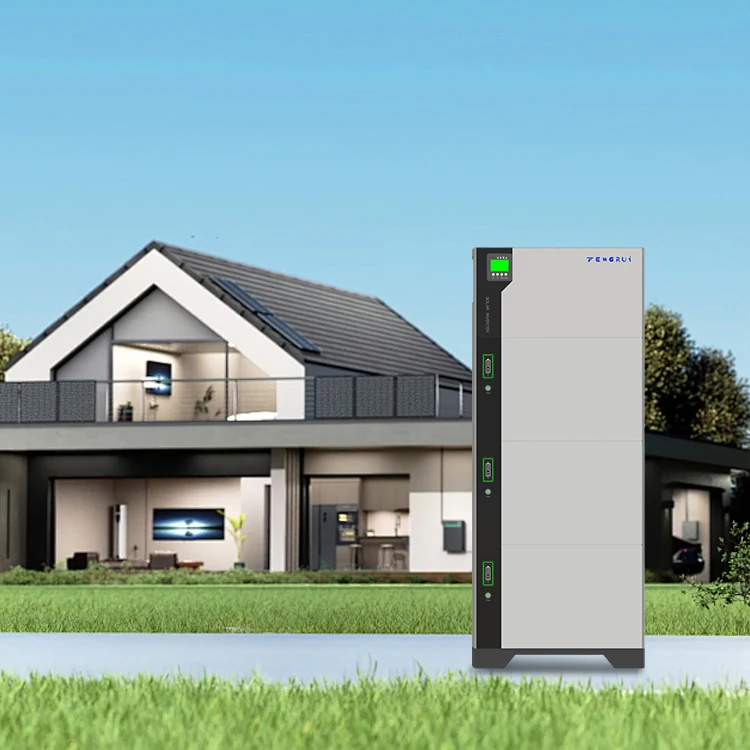
As the world shifts toward renewable energy sources like wind, solar, and hydroelectric power, the need for efficient and sustainable energy storage has become more pressing than ever. Traditional power grids, designed for centralized, fossil fuel-based energy generation, are ill-equipped to handle the intermittent nature of renewable energy. Solar power, for instance, generates electricity only when the sun is shining, and wind energy depends on the breeze. As a result, home energy storage system are becoming essential to ensure a reliable and constant energy supply. Fortunately, advancements in energy storage are pushing the boundaries of what’s possible, offering promising solutions to support the transition to a greener future.
One of the most significant innovations in energy storage is the development of solid-state batteries. Unlike conventional lithium-ion batteries, which use liquid electrolytes, solid-state batteries utilize a solid electrolyte. This design makes them safer, with a lower risk of overheating or catching fire. Additionally, solid-state batteries are more energy-dense, meaning they can store more energy in a smaller, lighter package. This innovation could revolutionize both the electric vehicle industry and grid storage by providing longer-lasting, more efficient, and safer solutions. Companies such as QuantumScape and Toyota are leading the way in this field, with prototypes showing promising results in terms of both performance and scalability.
Another breakthrough in energy storage is the development of flow batteries, which use two electrolyte solutions stored in external tanks to store and discharge energy. These systems are particularly suitable for large-scale applications, such as grid storage. Flow batteries offer several advantages over traditional battery technologies, including the ability to scale up energy capacity by simply increasing the size of the storage tanks. Additionally, they have a longer lifespan and can be charged and discharged many times without degrading their performance. Vanadium redox flow batteries, which use vanadium ions in the electrolyte, are gaining traction for their efficiency and long-duration storage capabilities. This makes them ideal for stabilizing power grids by storing excess energy during times of high renewable generation and releasing it when demand peaks.
In the realm of mechanical energy storage, pumped hydro storage has been the go-to method for decades. However, newer technologies such as compressed air energy storage (CAES) and flywheel energy storage are gaining attention as potential alternatives. CAES systems store energy by compressing air and storing it in underground caverns. When energy is needed, the compressed air is released and used to drive turbines. Flywheel systems, on the other hand, store energy in the form of kinetic energy by spinning a rotor at high speeds. These systems are highly efficient and can release energy almost instantly, making them ideal for stabilizing power grids during sudden fluctuations in supply and demand.
Additionally, thermal energy storage has emerged as a promising solution for bridging the gap between renewable energy production and consumption. Thermal storage systems work by storing excess energy in the form of heat, which can then be converted back into electricity when needed. One of the most exciting developments in this area is the use of molten salts, which can store heat at high temperatures for extended periods. This technology has already been implemented in some concentrated solar power plants, where it allows for electricity generation even after the sun sets.
Finally, artificial intelligence (AI) is playing an increasingly important role in optimizing energy storage systems. By analyzing vast amounts of data, AI algorithms can predict energy demand, optimize battery charging cycles, and manage grid resources more effectively. AI can also help identify the best locations for energy storage systems, taking into account factors like geographical conditions, energy demand patterns, and renewable generation potential.
In conclusion, innovative approaches in energy storage are paving the way for a greener tomorrow. From solid-state batteries and flow batteries to mechanical and thermal storage systems, the future of energy storage is poised to transform the energy landscape. These technologies not only enable the widespread use of renewable energy but also help create a more reliable, resilient, and sustainable power grid. With continued investment and research, the dream of a clean, green energy future is becoming an achievable reality.