Mscqbq Health & Fitness Medical Beauty: A Transformative Approach to Self-Care and Aesthetic Enhancement

Medical Beauty: A Transformative Approach to Self-Care and Aesthetic Enhancement

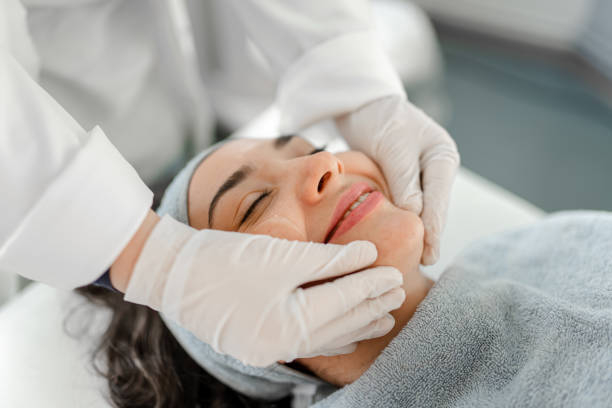
In recent years, the intersection of beauty and medicine has created an exciting and rapidly growing field known as medical beauty. Combining innovative medical techniques with aesthetic treatments, this domain offers non-invasive or minimally invasive solutions that provide lasting, natural-looking results. Medical beauty focuses on enhancing and rejuvenating an individual’s appearance without the need for invasive surgery, making it an attractive option for those seeking subtle yet effective improvements.

As beauty standards continue to evolve and technology advances, medical beauty is becoming a mainstream choice for individuals looking to improve their appearance, boost their confidence, and maintain youthful vitality. This article explores the growing prominence of medical beauty, the treatments that are shaping its future, and the numerous benefits it offers to those seeking to look and feel their best.

Defining Medical Beauty

Medical beauty encompasses a wide range of cosmetic procedures and treatments that aim to improve the aesthetic appearance of the skin, face, and body. These procedures typically use advanced medical technology and require the expertise of qualified professionals, such as dermatologists, plastic surgeons, or certified aestheticians.

Unlike traditional beauty treatments, such as skincare products or makeup, medical beauty treatments go beyond surface-level solutions by addressing underlying causes of cosmetic concerns. For example, medical beauty can treat the root causes of aging, acne scars, skin discoloration, and stubborn body fat, using scientifically proven techniques to achieve desired results.

The Surge in Popularity of Medical Beauty

Several factors have contributed to the remarkable rise of medical beauty treatments in recent years.

1. The Desire for Natural Enhancements

Medical beauty focuses on creating subtle and natural-looking results rather than drastic changes. Many people are looking for enhancements that improve their appearance while maintaining a natural aesthetic. Treatments like Botox, dermal fillers, and non-surgical facelifts are designed to enhance the individual’s features without making them look “overdone.” The emphasis is on restoring lost volume, smoothing fine lines, and providing a youthful glow—without altering the fundamental structure of the face or body.

2. Non-Surgical Options with Minimal Downtime

One of the most significant benefits of medical beauty is its non-invasive or minimally invasive nature. Many of these procedures can be done in-office with little to no downtime, allowing patients to return to their daily routines immediately. Traditional surgeries, on the other hand, often involve long recovery periods and significant risks. Non-surgical treatments such as Botox, fillers, and laser resurfacing allow patients to achieve noticeable results with minimal disruption to their lives.

3. Technological Advancements

Medical beauty has significantly benefited from advancements in technology. New treatments, devices, and injectables are continually being developed, offering better results with fewer side effects and faster recovery times. Technologies such as laser therapies, cryolipolysis (fat freezing), and radiofrequency have revolutionized the field, providing patients with safe, effective, and customized solutions for a variety of aesthetic concerns.

4. Increased Accessibility

The popularity of medical beauty is also due to its increased accessibility. As more professionals are trained in advanced aesthetic procedures and the costs of treatments become more competitive, more people can access these services. Social media platforms also contribute to awareness, as users share their experiences and results, creating a sense of community and connection around the world of medical beauty.

Key Medical Beauty Treatments

Medical beauty offers a broad range of treatments designed to address specific concerns related to aging, skin health, body contouring, and more. Some of the most popular and widely practiced treatments include:

1. Botox and Neurotoxins

Botox is perhaps the most well-known medical beauty treatment. It works by temporarily blocking nerve signals that cause muscles to contract, which helps to smooth out fine lines and wrinkles. Botox is commonly used to treat areas such as crow’s feet around the eyes, frown lines between the eyebrows, and forehead wrinkles.

Other neurotoxins, including Dysport, Xeomin, and Jeuveau, work in a similar way, offering subtle wrinkle reduction with minimal risk and downtime. These treatments are particularly popular for individuals seeking a youthful appearance without the invasiveness of surgery.

2. Dermal Fillers

Dermal fillers are injectable substances that restore volume to areas of the face that have lost fullness due to aging or other factors. These fillers can plump the cheeks, smooth out nasolabial folds, fill in under-eye hollows, and enhance lip volume. Popular filler brands include Juvederm, Restylane, and Radiesse, which are made from hyaluronic acid, a naturally occurring substance that provides moisture and elasticity to the skin.

Unlike Botox, which targets wrinkles caused by muscle contractions, dermal fillers restore volume and improve the contour of the face. The results are immediate and typically last anywhere from six months to two years.

3. Laser Skin Resurfacing

Laser skin resurfacing uses concentrated light energy to stimulate the skin’s natural healing process, improving skin texture, tone, and elasticity. This treatment is effective for addressing acne scars, sun damage, fine lines, wrinkles, and pigmentation issues.

Types of laser treatments include fractional CO2 lasers, which target deeper layers of the skin to reduce wrinkles and scars, and Intense Pulsed Light (IPL), which is more suitable for treating pigmentation and redness. Lasers can also help with collagen stimulation, leading to firmer, more youthful skin over time.

4. Chemical Peels

Chemical peels are used to exfoliate the outer layers of the skin by applying a chemical solution that removes dead skin cells and stimulates the growth of new skin. This treatment can improve skin texture, reduce fine lines, and lighten pigmentation issues such as sunspots and melasma.

Peels range from mild (superficial) to deep, depending on the severity of the skin condition being treated. Superficial peels are often used to improve acne and skin tone, while deeper peels can address more significant skin concerns like deep wrinkles and severe sun damage.

5. CoolSculpting (Cryolipolysis)

CoolSculpting is a non-invasive fat reduction procedure that uses controlled cooling to freeze and eliminate stubborn fat cells in targeted areas. This treatment is popular for areas like the abdomen, thighs, and under the chin, where fat may be resistant to diet and exercise.

The body naturally processes and eliminates the frozen fat cells over time, leaving the treated area slimmer and more sculpted. CoolSculpting provides a safe and effective alternative to liposuction, with minimal risk and no downtime.

6. Microneedling

Microneedling is a treatment that uses tiny, fine needles to create micro-channels in the skin. This process stimulates the production of collagen and elastin, leading to smoother skin with reduced fine lines, wrinkles, and acne scars.

Microneedling is often combined with Platelet-Rich Plasma (PRP) therapy, also known as the Vampire Facial, where a patient’s own blood is used to enhance the healing and rejuvenating effects of the treatment.

The Benefits of Medical Beauty

The benefits of medical beauty are numerous, making it a highly attractive option for those seeking aesthetic enhancements. Some of the most notable advantages include:

2. Non-Surgical Options with Minimal Downtime

0

One of the greatest benefits of medical beauty is the ability to achieve a refreshed, youthful appearance while maintaining a natural look. Many treatments focus on enhancing the face and body in a way that preserves the individual’s inherent features. For example, Botox smooths wrinkles without altering facial expressions, and dermal fillers restore volume without looking artificial.

2. Non-Surgical Options with Minimal Downtime

1

Unlike traditional cosmetic surgeries, medical ultherapy prime 效果 procedures typically require little to no recovery time. Most patients can resume normal activities within hours or days of treatment, making medical beauty an ideal choice for those with busy schedules.

2. Non-Surgical Options with Minimal Downtime

2

Many medical beauty treatments offer long-lasting effects, with some results extending up to a year or more. For instance, Botox typically lasts for 3 to 6 months, while dermal fillers can last from 6 months to 2 years. As such, patients can enjoy prolonged enhancements without needing frequent touch-ups.

2. Non-Surgical Options with Minimal Downtime

3

Medical beauty offers highly customizable treatments, allowing professionals to tailor procedures to each individual’s needs. Whether addressing wrinkles, skin texture, volume loss, or body contouring, practitioners can create personalized plans that align with each patient’s unique goals and desires.

The Future of Medical Beauty

As technology continues to advance, the medical beauty industry is poised for continued growth and innovation. Future treatments may incorporate artificial intelligence, 3D imaging, and regenerative medicine to offer even more precise, personalized, and effective results. Additionally, advancements in biotechnology and genetic analysis may enable professionals to create individualized treatment plans based on a person’s unique skin characteristics.

With an increasing demand for non-invasive aesthetic procedures, the future of medical beauty is bright, offering new possibilities for self-care, confidence, and self-expression.

Conclusion

Medical beauty is revolutionizing the way individuals approach aesthetics, providing a wide range of non-surgical, effective, and customizable treatments to enhance appearance and boost confidence. From Botox and dermal fillers to body contouring and laser treatments, medical beauty offers targeted solutions that cater to individual needs, all while providing natural, long-lasting results. As technology continues to evolve, the world of medical beauty is sure to expand, offering even more advanced, accessible, and personalized treatments that empower people to look and feel their best.

Leave a Reply

Your email address will not be published. Required fields are marked *

Related Post

Exploring Erotic Massage: A Journey of Intimacy, Relaxation, and SensualityExploring Erotic Massage: A Journey of Intimacy, Relaxation, and Sensuality

Erotic massage is an artful blend of touch, mindfulness, and sensual exploration, offering a deeply intimate experience that enhances both physical pleasure and emotional connection. It is not just a means of physical relaxation but a way to foster intimacy, awaken sensuality, and create a meaningful bond between partners. This unique practice combines elements of relaxation massage with sensual touch to create a memorable and transformative experience.

In this article, we will delve into the essence of erotic massage, its numerous benefits, essential techniques, and how it can elevate intimacy and connection in relationships.

What is Erotic Massage?

Erotic massage is a form of touch-based therapy designed to increase arousal, relaxation, and connection. While many people are familiar with traditional massages aimed at relieving tension or improving circulation, erotic massage is distinct in its focus on engaging the body’s sensual responses. The practice intentionally stimulates erogenous zones to enhance sexual pleasure, yet it is not necessarily aimed at sexual release or orgasm.

Rather than focusing solely on the physical, erotic massage invites a deeper emotional and mental engagement. It emphasizes presence, touch, and awareness of the body’s sensations. Both partners engage in a shared experience of sensuality, trust, and communication. nuru massage hong kong can be practiced alone or with a partner, making it a versatile way to explore one’s body, desires, and relationships.

Key Benefits of Erotic Massage

Erotic massage offers more than just physical relaxation. Its full potential lies in its ability to promote emotional well-being, sexual enhancement, and intimate connection.

1. Enhances Emotional Connection

One of the most powerful benefits of erotic massage is its ability to foster emotional intimacy between partners. The act of massaging and being massaged creates an opportunity for vulnerability, trust, and affection. The slow, deliberate touch and open communication required in erotic massage help create a deeper connection. It encourages couples to be present with one another in a nurturing and non-judgmental space. Over time, this emotional bond can strengthen, deepening the sense of trust and comfort in the relationship.

2. Increases Sensual Awareness and Pleasure

Erotic massage heightens awareness of the body’s sensations. Focusing on sensual touch and erogenous zones enhances sensitivity and helps individuals explore their bodies more thoroughly. Through deliberate touch, people can become more attuned to their personal preferences, what feels good, and what ignites arousal. For couples, this practice can enhance mutual pleasure, as it encourages a more thorough understanding of each other’s physical responses. It’s an opportunity to discover new ways of connecting, exploring sexual desires, and enhancing mutual satisfaction.

3. Promotes Relaxation and Stress Relief

Similar to traditional massage, erotic massage can provide profound relaxation. The slow, methodical strokes work to reduce muscle tension and promote a calm, tranquil state of mind. The practice encourages deep breathing, which further enhances relaxation. Stress relief is a significant aspect of erotic massage, and it goes beyond just physical relaxation—it provides emotional comfort, helping individuals release tension and feel more at ease in their bodies. This can improve overall mood, reduce anxiety, and promote a healthier, more balanced emotional state.

4. Improves Body Confidence and Acceptance

Erotic massage invites participants to reconnect with their bodies in a deeper way, fostering body acceptance and confidence. The gentle exploration of the body, from head to toe, encourages a greater appreciation for its beauty and sensuality. For people who have struggled with body image issues, erotic massage can be an empowering practice, allowing them to feel more comfortable, confident, and at peace with their physical selves. When practiced within the context of a loving relationship, it can also foster a sense of appreciation and respect for one another’s bodies, further enhancing intimacy.

5. Encourages Open Communication

Effective erotic massage requires open and honest communication about desires, boundaries, and comfort levels. This practice gives partners the opportunity to express what feels pleasurable, what they enjoy, and where they may need adjustments. The process of discussing preferences beforehand and during the massage strengthens communication skills within the relationship. This open dialogue builds trust, encourages mutual respect, and deepens the emotional connection. Through this exchange, both partners become more attuned to each other’s needs, which ultimately leads to a more fulfilling, intimate relationship.

Erotic Massage Techniques

The techniques involved in erotic massage are designed to bring awareness to the body, enhance pleasure, and deepen intimacy. These techniques are often used to build anticipation and arousal, ensuring the experience is enjoyable for both partners. Here are some common techniques that are used to create a pleasurable and intimate erotic massage:

1. Slow, Sensual Strokes

Slow, long strokes with the hands or forearms are often used in erotic massage. These strokes cover large areas of the body, such as the back, legs, or arms, and help to relax the body and increase blood flow. The slow pace allows the receiver to sink into the experience and feel each sensation fully. These long strokes promote relaxation, but they also build anticipation as the touch gradually becomes more focused on the erogenous zones.

2. Circular and Kneading Movements

Circular movements and kneading pressure are used to target areas of tension in the body, such as the shoulders, neck, and lower back. These techniques also serve to heighten sensitivity and create a deeper connection between partners. By gradually increasing the pressure and focusing on areas where stress accumulates, the massage can relieve physical discomfort while simultaneously stimulating sexual energy. Kneading motions can be applied to more sensitive areas, such as the thighs and chest, to increase arousal and awaken the body’s sensual energy.

3. Feather-Light Touches

Feather-light touches are an essential part of erotic massage. This technique involves using the fingertips, palms, or even the edge of a feather to lightly stroke the skin. The sensation of a soft, almost tickling touch creates heightened awareness of the skin’s responsiveness. These gentle touches, often applied to the neck, inner thighs, or lower back, can increase sexual excitement and build tension. It’s a delicate way to stimulate the body and create anticipation.

4. Focus on Erogenous Zones

Erogenous zones are areas of the body that are particularly sensitive to touch, and they play an important role in erotic massage. Common erogenous zones include the neck, inner thighs, ears, lower back, and genitals. These zones can be massaged with a variety of techniques—gentle strokes, circular movements, or light pressure—to heighten arousal. Exploring these areas with focus and care allows both partners to discover what feels best, helping to build intimacy and mutual pleasure.

5. Breathing Synchronization

Breathing together is a powerful technique that enhances connection during erotic massage. Synchronizing breath with your partner helps create a sense of unity and calm. It also allows both individuals to be fully present, heightening awareness of the physical and emotional sensations that arise. Deep, slow breathing enhances relaxation, promotes a sense of grounding, and helps to maintain focus throughout the experience.

Setting the Perfect Atmosphere for Erotic Massage

The environment plays a crucial role in creating an intimate and enjoyable erotic massage experience. By preparing the space with care, you can set the tone for a sensual, relaxing, and emotionally fulfilling experience. Here are a few tips for creating the ideal setting:

1. Dim Lighting or Candlelight

Soft, dim lighting enhances the mood of intimacy. Consider using candles to create a warm and inviting atmosphere. The flicker of candlelight can make the space feel more relaxing and sensual, allowing both partners to feel at ease.

2. Soothing Music

Soft, calming music can help to enhance relaxation and set a peaceful tone. Choose instrumental or ambient music that is gentle and rhythmic. The music should complement the massage, encouraging both partners to relax and connect.

3. Aromatherapy

The use of essential oils can enhance the sensory experience of erotic massage. Scents like lavender, jasmine, or sandalwood are known for their relaxing and aphrodisiac qualities. Diffusing essential oils into the air or mixing them with massage oil can create a soothing atmosphere that adds to the overall experience.

4. Comfortable Space

Make sure the space is comfortable and private. Soft towels, blankets, or a massage mat can be used to support the body during the massage. Ensure the room is at a comfortable temperature, so neither partner feels too hot or cold during the experience.

5. Clear Communication

Before beginning the massage, communicate with your partner about boundaries, preferences, and any areas of the body that require special attention. During the massage, check in regularly to ensure comfort and mutual enjoyment. This ongoing communication ensures the experience remains pleasurable for both individuals.

Conclusion: The Art of Erotic Massage

Erotic massage is a transformative practice that combines relaxation, sensual exploration, and emotional connection. Through touch, breath, and communication, partners can foster a deeper intimacy that goes beyond physical pleasure. Whether it’s used as a form of self-care or as a shared experience between couples, erotic massage offers the opportunity to slow down, be present, and connect in ways that enhance emotional, physical, and sexual well-being.

When practiced mindfully and respectfully, erotic massage can enrich relationships, improve body confidence, and provide a deeply fulfilling experience. It’s a reminder that the act of touching, when done with care and intention, has the power to build connection, arouse the senses, and nourish the soul.

The Bear On Of Sleep On Eye Health: How Tonic Sleep Late Conserve VisionThe Bear On Of Sleep On Eye Health: How Tonic Sleep Late Conserve Vision

Sleep is requisite for overall health and well-being, but its bear upon on eye wellness is often underestimated. While we slumber, our body undergoes several tonic processes that put up to various aspects of our wellness, including the saving and sweetening of our visual sensation. Eye wellness and timbre sleep out are intricately wired, with tonic kip performin a vital role in maintaining sound eyes and preventing visual sensation problems. In this clause, we explore the family relationship between slumber and eye health, and how getting decent rest can help save visual sensation.

Sleep is a period during which the body enters a submit of relaxation and rejuvenation. It is during this time that the body repairs and regenerates cells, tissues, and variety meat. For the eyes, catch some Z’s is material for ensuring that they stay on healthy, hydrous, and free from fatigue. A good night s rest allows the eyes to find from the stress they experience during wakeful hours, when they are unclothed to get down, whole number screens, and other stressors. The cornea, which is the transparent layer that covers the face of the eye, is replenished with nutrients and wet while we sleep out, serving to keep it clear and effective in focusing unhorse onto the retina.

When sleep late is insufficient or psychoneurotic, the eyes can become tense, dry, and fagged. This is often the lead of meager tear product or an unfitness to properly hydrate the eyes during rest. Dry eyes, in particular, can lead to uncomfortableness, red, and blurred visual sensation. The can also make individuals more impressible to infections and other eye conditions. Chronic lack of kip can lead in a buildup of eye try, leading to conditions such as computing machine visual sensation syndrome, which can cause headaches, blurry vision, and neck or shoulder joint pain.

Sleep is also necessity for maintaining the health of the retina, the dismount-sensitive weave at the back of the how to choose glasses for your face shape that is responsible for sending ocular signals to the brain. Research has shown that the mind processes seeable selective information during sleep, consolidating images and reinforcing retentiveness pathways. During restorative sleep out, the eyes can also away run off products that may compile throughout the day. A slumber-deprived mortal may experience an accumulation of run off products in the retina, leading to rubor or to the retinal cells. Over time, this can step-up the risk of developing serious eye conditions such as macular degeneration or retinopathy, both of which can lead to permanent vision loss.

Furthermore, sleep out is critical for maintaining the overall wellness of the oculus steel, which transmits ocular selective information from the retina to the brain. Poor kip timber has been connected to an accumulated risk of development glaucoma, a condition characterized by raised pressure within the eye that can damage the oculus steel and result in perm visual sensation loss. When sleep late is discontinuous, the body s power to regulate intraocular squeeze can be compromised, intensifying the likeliness of development glaucoma.

Additionally, kip helps gover endocrine product, including the unfreeze of melatonin, which plays a key role in circadian rhythms. Disruptions in log Z’s can lead to an imbalance in melatonin production, affecting eye health. For illustrate, melatonin has antioxidant properties that protect the eyes from aerophilic strain, a factor in that contributes to the aging process of the eye and the of cataracts.

In termination, the between sleep in and eye wellness is unfathomed, with tonic log Z’s being requisite for conserving visual sensation and preventing eye-related issues. Adequate and timber kip allows the eyes to recover, stay hydrated, away run off, and reduce stress. By prioritizing proper rest, individuals can help safeguard their vision and enjoy better eye wellness throughout their lives.

The Ultimate Guide to Building a Skincare Routine: Steps for Glowing SkinThe Ultimate Guide to Building a Skincare Routine: Steps for Glowing Skin

In the world of beauty and wellness, skincare has become a priority for many, and for good reason. Healthy, glowing skin isn't just about looking good—it's about feeling good in your own skin. With the overwhelming number of products available, it can be difficult to know where to start or what your 美白淡斑精華 actually needs. In this guide, we’ll break down the essential components of an effective skincare routine, explain the best products for your skin type, and give tips for achieving the radiant, healthy skin everyone desires.

Why Skincare is Important

Your skin serves as the first line of defense against environmental stressors, such as harmful UV rays, pollutants, and harsh weather conditions. It protects your internal organs, regulates body temperature, and even produces vitamin D when exposed to sunlight. By caring for your skin properly, you’re helping it function at its best and ensuring its longevity. A well-maintained skincare routine can also address various concerns, including acne, dry patches, aging, and uneven skin tone.

Taking a holistic approach to skincare isn’t just about cosmetic benefits. It’s about building habits that support your skin’s health while boosting your confidence and overall well-being.

The Essential Steps for an Effective Skincare Routine

A solid skincare routine doesn’t need to be complicated. By incorporating a few key steps into your day, you can build a routine that works for your skin. Below are the essential steps in any skincare regimen:

1. Cleansing: The Foundation of Skincare

Cleansing is the most basic and essential step in any skincare routine. It’s crucial for removing dirt, makeup, sweat, and pollutants that accumulate on your skin throughout the day. Cleansing helps unclog pores and prevent breakouts, ensuring your skin is clean and prepped for the following steps.

  • For Dry Skin: Choose a gentle, hydrating cleanser that doesn’t strip your skin of natural oils. Look for cream-based or oil-based cleansers with ingredients like glycerin or aloe vera.
  • For Oily Skin: Opt for a gel-based or foaming cleanser that helps control oil production while cleansing without being too harsh.
  • For Sensitive Skin: Choose fragrance-free, non-foaming cleansers to minimize irritation. Look for soothing ingredients like chamomile or oat extract.

2. Exfoliating: Remove Dead Skin Cells for Smoother Skin

Exfoliation is the process of removing dead skin cells from the surface of your skin, which helps prevent clogged pores, acne, and dullness. Regular exfoliation can promote cell turnover, leaving your skin smoother and more radiant.

There are two types of exfoliants:

  • Physical exfoliants: These are scrubs with grains or beads that manually slough off dead skin cells. They’re best for normal to combination skin but should be used gently to avoid irritation.
  • Chemical exfoliants: These contain acids like AHAs (alpha hydroxy acids) or BHAs (beta hydroxy acids), which dissolve dead skin cells without scrubbing. AHAs, like glycolic acid, are great for dry or sun-damaged skin, while BHAs, like salicylic acid, are ideal for oily and acne-prone skin.

Use an exfoliant 1–3 times a week depending on your skin type and tolerance. Over-exfoliating can irritate the skin and disrupt its natural barrier.

3. Toning: Balance Your Skin’s pH

Toners are liquid formulations that are applied after cleansing to remove any remaining dirt, oils, or residue and help balance your skin’s pH levels. They can also prepare the skin for the next steps of your routine. Toners can hydrate, soothe, or treat specific skin concerns.

  • For Oily or Acne-Prone Skin: Choose toners with ingredients like witch hazel or salicylic acid that control oil production and reduce breakouts.
  • For Dry Skin: Look for hydrating toners with ingredients like rose water or hyaluronic acid that replenish moisture.
  • For Sensitive Skin: Use alcohol-free toners with soothing ingredients like chamomile or aloe vera to calm and hydrate.

4. Serums: Target Specific Skin Concerns

Serums are concentrated formulas that penetrate deeper into the skin and target specific concerns, such as wrinkles, pigmentation, or dehydration. Because of their potent ingredients, serums are the most effective way to address your skin’s unique needs.

  • Vitamin C Serum: Brightens and evens out skin tone while protecting against sun damage.
  • Hyaluronic Acid Serum: Hydrates and plumps the skin by attracting moisture.
  • Retinol: A powerful anti-aging ingredient that speeds up cell turnover and reduces the appearance of fine lines and wrinkles.
  • Niacinamide: Helps reduce redness and inflammation, and improves the skin’s barrier function.

Serums should be applied after toning and before moisturizing to ensure they penetrate deep into the skin.

5. Moisturizing: Keep Your Skin Hydrated

Moisturizing is essential for maintaining the skin’s barrier function and keeping it hydrated. Whether you have dry, oily, or combination skin, everyone needs a moisturizer.

  • For Oily Skin: Look for oil-free, gel-based moisturizers that hydrate without clogging pores.
  • For Dry Skin: Choose thicker, cream-based moisturizers with hydrating ingredients like glycerin, ceramides, or shea butter.
  • For Sensitive Skin: Use gentle, fragrance-free moisturizers with calming ingredients like cucumber or chamomile to minimize irritation.

Moisturizers help lock in moisture and ensure your skin stays soft and plump throughout the day.

6. Sunscreen: Protect Your Skin from UV Damage

Sunscreen is arguably the most important step in your skincare routine. UV rays can cause premature aging, sunburn, and increase the risk of skin cancer. It’s essential to wear sunscreen daily, even if you’re indoors or on cloudy days, to protect your skin from harmful UV radiation.

Choose a broad-spectrum sunscreen with SPF 30 or higher. If you’re exposed to the sun for prolonged periods, opt for SPF 50 or higher. Don’t forget to reapply every two hours, especially if you're swimming or sweating.

  • For Oily Skin: Look for lightweight, oil-free sunscreens that won’t clog pores.
  • For Dry Skin: Choose moisturizing sunscreens that contain hydrating ingredients like hyaluronic acid or glycerin.

7. Night Care: Repair and Regenerate

While you sleep, your skin goes into repair mode. This is the best time to use treatments that work overnight to regenerate skin cells, fight fine lines, and boost hydration. A night cream or overnight mask can help replenish moisture and lock in essential nutrients while you sleep.

  • Retinol is best used at night because it makes your skin more sensitive to sunlight.
  • Overnight hydrating masks are perfect for dry or dehydrated skin, providing intense moisture throughout the night.

Skincare Ingredients You Should Know

To create a truly effective skincare routine, it’s helpful to understand the most common and beneficial ingredients. Here are a few essential ingredients to look for:

  • Hyaluronic Acid: A powerhouse for hydration, it attracts moisture into the skin, leaving it plump and dewy.
  • Vitamin C: Brightens skin tone, evens pigmentation, and protects against environmental damage.
  • Niacinamide: Reduces inflammation, improves skin texture, and strengthens the skin barrier.
  • Retinol: Stimulates collagen production, accelerates skin cell turnover, and helps combat signs of aging.
  • Salicylic Acid: A BHA that penetrates pores to exfoliate and treat acne.
  • Peptides: Encourage collagen production and improve skin firmness and elasticity.

Tips for Maintaining Healthy Skin

While a good skincare routine is key, other factors can also influence your skin’s health. Here are a few tips for maintaining glowing skin:

  1. Stay Hydrated: Drink plenty of water throughout the day to support your skin’s hydration from the inside.
  2. Eat a Balanced Diet: Nutrient-rich foods like fruits, vegetables, and healthy fats (omega-3s) can promote healthy, glowing skin.
  3. Get Enough Sleep: Aim for 7-9 hours of sleep to allow your skin to repair and regenerate overnight.
  4. Avoid Stress: Chronic stress can lead to skin issues like acne or eczema. Try to incorporate stress-reducing activities like yoga, meditation, or exercise into your routine.

The Essential Steps for an Effective Skincare Routine

0

Building an effective skincare routine is about understanding your skin’s unique needs and selecting the right products that address those needs. The steps—cleansing, exfoliating, toning, treating, moisturizing, and protecting—are essential to maintaining healthy skin. Remember, consistency is key, and results will take time. With the right products and lifestyle habits, you can achieve glowing, youthful skin and boost your confidence. Stay patient, stay committed, and enjoy the process of caring for your skin.

The Role of Budtenders in Dispensary Cannabis EducationThe Role of Budtenders in Dispensary Cannabis Education

Walking into a dispensary for the first time can feel like stepping into a new world. Rows of colorful jars, edibles in every shape imaginable, and labels packed with scientific-sounding terms can be overwhelming for beginners and even seasoned users. This is where budtenders come in. Often described as the guides of the cannabis world, budtenders play a crucial role in educating customers, ensuring safety, and making the dispensary experience enjoyable.

Who Are Budtenders?

Budtenders are more than just retail staff—they are cannabis experts, advisors, and educators. Their role goes far beyond ringing up purchases. Budtenders understand the complex world of strains, THC and CBD levels, terpenes, consumption methods, and dosing. They are trained to help customers make informed decisions that suit their lifestyle, health goals, and desired experiences.

For newcomers, this guidance can be the difference between a positive, enjoyable experience and one that is confusing—or even overwhelming.

Educating on Strains and Effects

One of the primary roles of a budtender is helping customers navigate the wide variety of cannabis strains available. Strains are often classified as Indica, Sativa, or Hybrid, each with distinct effects:

  • Indica: Known for relaxation and stress relief, often used in the evening or before bed.

  • Sativa: Energizing and uplifting, preferred for daytime use or creativity.

  • Hybrids: Balanced strains that blend effects for a customized experience.

Budtenders explain not only these broad categories but also the nuances of individual strains—for example, which strains may help with pain, insomnia, or anxiety, and which are better for socializing or focus. Their guidance ensures that customers select a strain aligned with their needs rather than simply choosing based on popularity or packaging.

Guidance on Consumption Methods

Cannabis today comes in multiple forms: flowers, edibles, tinctures, oils, topicals, and concentrates. Each method has its own onset time, duration, and effects, which can significantly influence the user’s experience.

Budtenders educate customers on:

  • Smoking or vaping: Immediate effects but potential lung irritation

  • Edibles: Delayed onset but longer-lasting effects

  • Tinctures or oils: Precise dosing with faster absorption

  • Topicals: Non-psychoactive, targeted for pain or inflammation

By understanding these differences, customers can choose products that align with their goals and lifestyle.

Safety and Responsible Use Education

Budtenders also play a vital role in promoting safety and responsible use. For beginners, this includes:

  • Explaining recommended dosages, especially for high-THC products

  • Warning about potential side effects such as dizziness or grogginess

  • Advising on interactions with other medications

  • Educating on legal restrictions and safe consumption practices

This education ensures that customers not only enjoy their closest dispensary to me experience but do so safely and responsibly.

Personalized Recommendations

Every cannabis user is different, and budtenders excel at offering personalized guidance. They take into account factors like tolerance, experience level, health conditions, and lifestyle. A good budtender may even suggest a trial-and-error approach with low doses to find the ideal strain or product for a specific goal, such as relaxation, sleep, creativity, or pain relief.

This personalized approach is invaluable, especially for beginners who might otherwise feel lost among the dispensary shelves.

Building Trust and Reducing Stigma

Budtenders also contribute to reducing the stigma surrounding cannabis use. By providing factual, professional guidance, they normalize cannabis as a safe, regulated product. Many customers report that knowledgeable and friendly budtenders make them feel more comfortable asking questions and exploring new products without judgment.

Final Thoughts

Budtenders are the unsung heroes of dispensary cannabis education. They are educators, advisors, and advocates, guiding customers through a world that can be complex and intimidating. Whether helping beginners select their first strain, offering advice on dosage and consumption methods, or promoting responsible and safe use, budtenders ensure that every dispensary visit is informative and enjoyable.

Next time you step into a dispensary, remember that the person behind the counter isn’t just there to sell—they’re there to empower you with knowledge, help you make informed decisions, and make your cannabis journey safer, smarter, and more enjoyable. In the evolving world of cannabis, a great budtender is worth their weight in gold.

Hoe Gelegaliseerde Cannabis Is Zeker Hervormen Jouw Zorgverzekering En Algemene Gezondheid IndustrieHoe Gelegaliseerde Cannabis Is Zeker Hervormen Jouw Zorgverzekering En Algemene Gezondheid Industrie


Wiet, veelal aangeduid als cannabis, is een plant die al duizenden jaren een cruciale rol speelt in verschillende culturen over de hele wereld. De plant heeft een divers gebruik, van therapeutisch tot vrijetijds, en heeft in de laatste decennia wereldwijd een versterkte interesse gekregen. Terwijl de regulering rondom cbd gummies kopen varieert, afhankelijk van het land en de regio, blijft de debatsituatie over de voordelen, risico’s en de maatschappelijke impact van cannabis een onmiskenbaar onderwerp.

In de oudheid werd cannabis al gebruikt voor gezondheidsdoeleinden, en dit gebruik is in de moderne tijd opnieuw ontdekt. Wetenschappelijke onderzoeken hebben aangetoond dat bepaalde stoffen in cannabis, zoals THC (tetrahydrocannabinol) en CBD (cannabidiol), verschillende helende eigenschappen kunnen hebben. THC is het bewustzijnsveranderende bestanddeel van de plant dat verantwoordelijk is voor het “high” gevoel, terwijl CBD geen psychoactief effect heeft en wordt geprezen om zijn rustgevende en helende eigenschappen. Medische cannabis wordt tegenwoordig vaak voorgeschreven bij de behandeling van chronische pijn, braken door chemotherapie, en zelfs angst en depressie. Hoewel er veelbelovende resultaten zijn, blijft het gebruik van cannabis voor medische doeleinden in veel landen nog onderwerp van discussie, vooral als het gaat om de veiligheid en resultaten op lange termijn.

Naast de medische toepassingen heeft cannabis ook een zichtbare plek in de vrijetijdsindustrie. In veel landen is het gebruik van cannabis voor recreatieve doeleinden de afgelopen jaren gelegaliseerd of zelfs gelegaliseerd. Dit heeft geleid tot een bloeiende markt voor cannabisproducten, van traditionele rookwaren tot cannabis-infused eetwaren en olie. De legalisatie heeft ook invloed op de economie van landen, met verhoogde belastinginkomsten en tewerkstelling als gevolg van de groeiende industrie. Toch blijft de discussie over de negatieve effecten van recreatief gebruik bestaan. Tegenstanders van legalisatie wijzen vaak op de risico’s van afhankelijkheid, afgenomen cognitief functioneren en de effecten van cannabisgebruik op jongeren.

De maatschappelijke impact van cannabisgebruik is niet te onderschatten. Het gebruik van cannabis heeft altijd deel uitgemaakt van de cultuur, of het nu gaat om muziek, culturele vormgeving of maatschappelijke interactie. In de 20e eeuw kreeg cannabis echter een imago van criminaliteit en sociale destabilisatie, vooral in de Verenigde Staten en andere westerse landen. Het werd vaak geassocieerd met achtergestelde groepen en werd in sommige gevallen gebruikt als een middel om minderheden te onderdrukken. Dit heeft geleid tot een ongelijkmatige behandeling van cannabisgebruikers, met name in landen waar de plant lange tijd verboden was.

Tegenwoordig zien we echter een verschuiving in de publieke opinie over cannabis. Steeds meer mensen erkennen de voordelen van legalisatie en de vermindering van de criminaliteit die vaak gepaard gaat met de illegale handel in de plant. De groeiende acceptatie van cannabis, zowel als medicijn als recreatief middel, heeft geleid tot aanpassingen in beleid in vele delen van de wereld. Toch blijft de vraag of het legaliseren van cannabis de samenleving ten goede zal komen of juist meer schade zal veroorzaken.

Het debat over cannabis is dus allesbehalve eenvoudig. Enerzijds biedt de plant kansen voor therapeutische vooruitgang, economische groei en culturele verrijking. Anderzijds brengt het gebruik ervan gevaar met zich mee, die niet over het hoofd mogen worden gezien. De toekomst van cannabisgebruik zal waarschijnlijk afhangen van de toekomstige wetenschappelijke ontdekkingen, de aanpassing van wetgeving en de manier waarop samenlevingen zich aanpassen aan de veranderende sociale normen.