Mscqbq Health & Fitness Muscle Building Supplements Boosting Seaworthiness And Performance

Muscle Building Supplements Boosting Seaworthiness And Performance

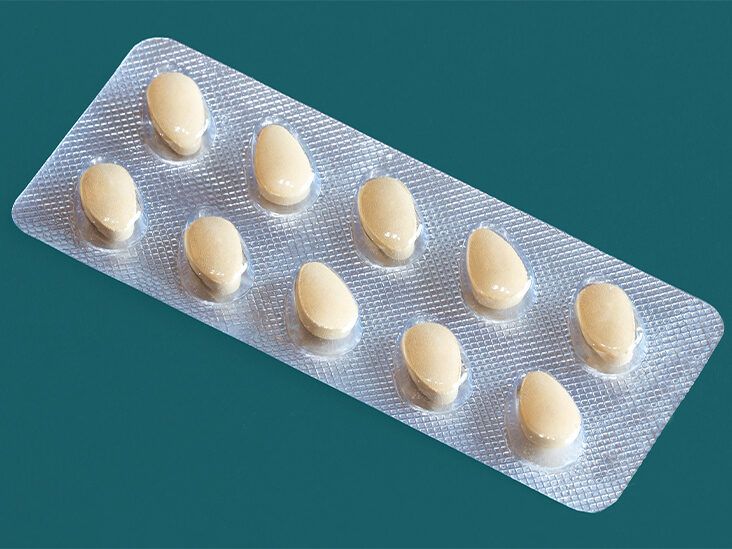
Bodybuilding is an intensifier life style hard to please a well-structured diet, demanding grooming, and genetical potentiality. To optimise musculus increase and retrieval, bodybuilders often turn to muscle building supplements. They are specialised seaworthiness aids studied to affix the diet of an somebody and motivate one’s muscle building travel. Whether you are a professional person muscleman or just someone who loves to hit the weight room, musclebuilding supplements can work you one step closer to your fitness goals.

Protein sarms side effects are a must-have in any muscle building regimen. They are crucial for muscle repair and increment as they provide your body with necessity amino group acids. Whey protein, for exemplify, is a fast-absorbing protein apotheosis for post-workout retrieval. Casein protein, on the other hand, gradually releases amino acids qualification it first-class for overwhelming before bed. Vegan-friendly alternatives, such as soy and pea protein, have also gained popularity in Recent eld.

Another nonclassical musclebuilding affix is Creatine. It helps the body make more vim, especially during high-intensity workouts, enhancing performance, and speed up musculus growth. In summation, numerous studies have documented to its safety visibility and efficacy. It’s Worth noting that while salutary, Creatine is best used by those playacting high-intensity training. However, those on a strictly cardio regime might not see its full benefits.

Branched-chain amino acids(BCAAs) are another set of requirement nutrients that bodybuilders often incorporate into their grooming program. BCAAs of three amino group acids leucine, isoleucine, and valine, which play a crucial role in musculus growth and recovery. They help protein synthetic thinking, tighten musculus wear upon, and lessen muscle rawness post-workout.

There are also fat burners, like conjugated linoleic acid(CLA) and L-carnitine, that can subscribe your fat loss travel. They work by profit-maximising your metamorphosis, electrocution calories, and up body authorship. Presenting a synergistic effect with a equal diet and regular exercise, these fat burners can give you that extra push towards your bodybuilding goals.

Lastly, it s crucial to empathise that while bodybuilding supplements play a demonstrative of role in your seaworthiness journey, they aren’t magic bullets. A equal diet, fixture exercise, and a sound life-style are just as world-shattering. You should always look up with a health care professional person before adding any supplements to your regimen. In anaerobic exercise, as in life, it’s about holistic health and well-being, and not just about getting large muscles.

Leave a Reply

Your email address will not be published. Required fields are marked *

Related Post

The Sweet And Natural Gift Of Beloved: A Dateless Elixir For Wellness, Wellness, And TheThe Sweet And Natural Gift Of Beloved: A Dateless Elixir For Wellness, Wellness, And The

how long does a honey pack last , often referred to as nature’s halcyon ambrosia, has been used by world for thousands of geezerhood, august not only for its distinguishable sweetness but also for its many health benefits. This all-natural subject matter, produced by bees from the nectar of flowers, has a long story in various cultures, from antediluvian Egyptian medicinal practices to its aim in Bodoni-day kitchens and natural wellness remedies. Honey is much more than just a sweetening. Its rich penning and wide-ranging benefits have made it a staple in both cooking and cure practices around the world. From its existence by the tireless bees to its harvesting and uses in ordinary life, dear stiff an valuable gift from nature.

The process of beloved product begins with bees collecting nectar from flowers. These tiny insects visit multitudinous blossoms to gather the sugared liquid state, which they salt away in their urtication. The nectar is then changed into honey through a work of catalyst natural action and vaporisation, wherein the nectar's irrigate is reduced to form the thick, golden message we recognize as honey. The final production contains a mixing of sugars, vitamins, minerals, amino group acids, and antioxidants, making it a powerful addition to any diet. The type of dear produced depends on the flowers the bees travel to, and as a leave, dearest can vary in colour, season, and texture. From the get down, patterned smack of trefoil honey to the dark richness of Fagopyrum esculentum love, the variety is vast, offer a unusual go through with each type.

Honey’s wellness benefits are vast and well-documented. It is jammed with antioxidants, which help to struggle free radicals in the body and reduce the risk of chronic diseases. Raw, unprocessed loved one, in particular, contains a high raze of these healthful compounds. Honey also has bactericide properties, qualification it an effective remedy for wound healing and soothing sore throats. The use of dear for treating Robert Burns and cuts has been experient for centuries, and modern font search continues to aver its effectiveness in promoting faster remedial. Furthermore, love is a cancel energy champion due to its combination of glucose and fructose, which are absorbed apace by the body. This makes dear an paragon pre- or post-workout snack for athletes seeking an immediate source of fuel.

Beyond its medicinal and nutritional properties, love also plays a material role in support situation sustainability. The work on of love product is inseparable from the activity of pollination, a essential biology function carried out by bees. By pollinating plants, bees insure the growth of the fruits, vegetables, and flowers that form the institution of ecosystems and human farming. The worsen in bee populations due to factors such as pesticide use, home ground loss, and climate transfer is a growth refer. Protecting bees and support property beekeeping practices is necessity not only for the continued production of loved one but also for the saving of biodiversity and food surety.

Honey’s versatility extends far beyond its traditional use as a sweetening in tea or pledge. It is often incorporated into homemade skincare products, such as face masks and body surgical gown, due to its moisturizing and remedial properties. In the kitchen, beloved serves as a natural sweetener in hot, cookery, and even in beverages, adding a rich, cancel flavour that pure saccharify cannot replicate. It can also be combined with various herbs and spices to produce comfortable syrups, or used as an fixings in salad dressings, marinades, and glazes.

In termination, beloved is a remarkable cancel subject matter that offers more than just sweet. It provides a wealth of health benefits, supports situation sustainability, and has endless cooking and medicinal uses. Whether exhausted for its nutritionary value, practical as a relieve, or plainly enjoyed as a treat, loved one cadaver a unchanged elixir that connects us to the natural world and the wonders it offers. With its rich chronicle and promising future, dear continues to be one of the most loved gifts of nature.

Comprehensive Elderly Care: Empowering Families to Make the Right ChoicesComprehensive Elderly Care: Empowering Families to Make the Right Choices

Caring for elderly family members requires thoughtful planning, research, and the right resources. With aging comes a variety of health challenges and emotional needs, and it's essential that families have access to the best possible care services. At ElderlyDB.hk, we aim to simplify this journey by providing a comprehensive platform that helps families find the perfect elderly care services to meet their loved ones' specific needs.

From residential elderly homes to home-based caregiving solutions, the choices can feel overwhelming. ElderlyDB.hk offers a user-friendly platform where families can explore a range of care options, ensuring that they select the most suitable service based on their loved one’s health conditions, preferences, and daily needs. We provide detailed profiles of elderly 安老服務 facilities, including descriptions of the services offered, the qualifications of staff members, and the overall environment, so families can make informed decisions with confidence.

Additionally, we understand that elderly care isn’t one-size-fits-all. Whether your loved one needs assistance with mobility, specialized medical attention, or companionship, there is a care option available to suit their individual requirements. Our platform also provides valuable insights into government subsidies, insurance plans, and financial resources that can help make the cost of elderly care more affordable for families.

At ElderlyDB.hk, we believe that elderly individuals deserve to live out their later years with dignity, comfort, and peace of mind. That’s why we are committed to providing families with the tools and guidance they need to secure the best possible care options. By making the process of finding quality elderly care services easier and more accessible, we help ensure that your loved ones receive the attention they need to lead a fulfilling and happy life.

Medical Beauty: A Transformative Approach to Self-Care and Aesthetic EnhancementMedical Beauty: A Transformative Approach to Self-Care and Aesthetic Enhancement

In recent years, the intersection of beauty and medicine has created an exciting and rapidly growing field known as medical beauty. Combining innovative medical techniques with aesthetic treatments, this domain offers non-invasive or minimally invasive solutions that provide lasting, natural-looking results. Medical beauty focuses on enhancing and rejuvenating an individual’s appearance without the need for invasive surgery, making it an attractive option for those seeking subtle yet effective improvements.

As beauty standards continue to evolve and technology advances, medical beauty is becoming a mainstream choice for individuals looking to improve their appearance, boost their confidence, and maintain youthful vitality. This article explores the growing prominence of medical beauty, the treatments that are shaping its future, and the numerous benefits it offers to those seeking to look and feel their best.

Defining Medical Beauty

Medical beauty encompasses a wide range of cosmetic procedures and treatments that aim to improve the aesthetic appearance of the skin, face, and body. These procedures typically use advanced medical technology and require the expertise of qualified professionals, such as dermatologists, plastic surgeons, or certified aestheticians.

Unlike traditional beauty treatments, such as skincare products or makeup, medical beauty treatments go beyond surface-level solutions by addressing underlying causes of cosmetic concerns. For example, medical beauty can treat the root causes of aging, acne scars, skin discoloration, and stubborn body fat, using scientifically proven techniques to achieve desired results.

The Surge in Popularity of Medical Beauty

Several factors have contributed to the remarkable rise of medical beauty treatments in recent years.

1. The Desire for Natural Enhancements

Medical beauty focuses on creating subtle and natural-looking results rather than drastic changes. Many people are looking for enhancements that improve their appearance while maintaining a natural aesthetic. Treatments like Botox, dermal fillers, and non-surgical facelifts are designed to enhance the individual’s features without making them look “overdone.” The emphasis is on restoring lost volume, smoothing fine lines, and providing a youthful glow—without altering the fundamental structure of the face or body.

2. Non-Surgical Options with Minimal Downtime

One of the most significant benefits of medical beauty is its non-invasive or minimally invasive nature. Many of these procedures can be done in-office with little to no downtime, allowing patients to return to their daily routines immediately. Traditional surgeries, on the other hand, often involve long recovery periods and significant risks. Non-surgical treatments such as Botox, fillers, and laser resurfacing allow patients to achieve noticeable results with minimal disruption to their lives.

3. Technological Advancements

Medical beauty has significantly benefited from advancements in technology. New treatments, devices, and injectables are continually being developed, offering better results with fewer side effects and faster recovery times. Technologies such as laser therapies, cryolipolysis (fat freezing), and radiofrequency have revolutionized the field, providing patients with safe, effective, and customized solutions for a variety of aesthetic concerns.

4. Increased Accessibility

The popularity of medical beauty is also due to its increased accessibility. As more professionals are trained in advanced aesthetic procedures and the costs of treatments become more competitive, more people can access these services. Social media platforms also contribute to awareness, as users share their experiences and results, creating a sense of community and connection around the world of medical beauty.

Key Medical Beauty Treatments

Medical beauty offers a broad range of treatments designed to address specific concerns related to aging, skin health, body contouring, and more. Some of the most popular and widely practiced treatments include:

1. Botox and Neurotoxins

Botox is perhaps the most well-known medical beauty treatment. It works by temporarily blocking nerve signals that cause muscles to contract, which helps to smooth out fine lines and wrinkles. Botox is commonly used to treat areas such as crow’s feet around the eyes, frown lines between the eyebrows, and forehead wrinkles.

Other neurotoxins, including Dysport, Xeomin, and Jeuveau, work in a similar way, offering subtle wrinkle reduction with minimal risk and downtime. These treatments are particularly popular for individuals seeking a youthful appearance without the invasiveness of surgery.

2. Dermal Fillers

Dermal fillers are injectable substances that restore volume to areas of the face that have lost fullness due to aging or other factors. These fillers can plump the cheeks, smooth out nasolabial folds, fill in under-eye hollows, and enhance lip volume. Popular filler brands include Juvederm, Restylane, and Radiesse, which are made from hyaluronic acid, a naturally occurring substance that provides moisture and elasticity to the skin.

Unlike Botox, which targets wrinkles caused by muscle contractions, dermal fillers restore volume and improve the contour of the face. The results are immediate and typically last anywhere from six months to two years.

3. Laser Skin Resurfacing

Laser skin resurfacing uses concentrated light energy to stimulate the skin’s natural healing process, improving skin texture, tone, and elasticity. This treatment is effective for addressing acne scars, sun damage, fine lines, wrinkles, and pigmentation issues.

Types of laser treatments include fractional CO2 lasers, which target deeper layers of the skin to reduce wrinkles and scars, and Intense Pulsed Light (IPL), which is more suitable for treating pigmentation and redness. Lasers can also help with collagen stimulation, leading to firmer, more youthful skin over time.

4. Chemical Peels

Chemical peels are used to exfoliate the outer layers of the skin by applying a chemical solution that removes dead skin cells and stimulates the growth of new skin. This treatment can improve skin texture, reduce fine lines, and lighten pigmentation issues such as sunspots and melasma.

Peels range from mild (superficial) to deep, depending on the severity of the skin condition being treated. Superficial peels are often used to improve acne and skin tone, while deeper peels can address more significant skin concerns like deep wrinkles and severe sun damage.

5. CoolSculpting (Cryolipolysis)

CoolSculpting is a non-invasive fat reduction procedure that uses controlled cooling to freeze and eliminate stubborn fat cells in targeted areas. This treatment is popular for areas like the abdomen, thighs, and under the chin, where fat may be resistant to diet and exercise.

The body naturally processes and eliminates the frozen fat cells over time, leaving the treated area slimmer and more sculpted. CoolSculpting provides a safe and effective alternative to liposuction, with minimal risk and no downtime.

6. Microneedling

Microneedling is a treatment that uses tiny, fine needles to create micro-channels in the skin. This process stimulates the production of collagen and elastin, leading to smoother skin with reduced fine lines, wrinkles, and acne scars.

Microneedling is often combined with Platelet-Rich Plasma (PRP) therapy, also known as the Vampire Facial, where a patient’s own blood is used to enhance the healing and rejuvenating effects of the treatment.

The Benefits of Medical Beauty

The benefits of medical beauty are numerous, making it a highly attractive option for those seeking aesthetic enhancements. Some of the most notable advantages include:

2. Non-Surgical Options with Minimal Downtime

0

One of the greatest benefits of medical beauty is the ability to achieve a refreshed, youthful appearance while maintaining a natural look. Many treatments focus on enhancing the face and body in a way that preserves the individual’s inherent features. For example, Botox smooths wrinkles without altering facial expressions, and dermal fillers restore volume without looking artificial.

2. Non-Surgical Options with Minimal Downtime

1

Unlike traditional cosmetic surgeries, medical ultherapy prime 效果 procedures typically require little to no recovery time. Most patients can resume normal activities within hours or days of treatment, making medical beauty an ideal choice for those with busy schedules.

2. Non-Surgical Options with Minimal Downtime

2

Many medical beauty treatments offer long-lasting effects, with some results extending up to a year or more. For instance, Botox typically lasts for 3 to 6 months, while dermal fillers can last from 6 months to 2 years. As such, patients can enjoy prolonged enhancements without needing frequent touch-ups.

2. Non-Surgical Options with Minimal Downtime

3

Medical beauty offers highly customizable treatments, allowing professionals to tailor procedures to each individual’s needs. Whether addressing wrinkles, skin texture, volume loss, or body contouring, practitioners can create personalized plans that align with each patient’s unique goals and desires.

The Future of Medical Beauty

As technology continues to advance, the medical beauty industry is poised for continued growth and innovation. Future treatments may incorporate artificial intelligence, 3D imaging, and regenerative medicine to offer even more precise, personalized, and effective results. Additionally, advancements in biotechnology and genetic analysis may enable professionals to create individualized treatment plans based on a person’s unique skin characteristics.

With an increasing demand for non-invasive aesthetic procedures, the future of medical beauty is bright, offering new possibilities for self-care, confidence, and self-expression.

Conclusion

Medical beauty is revolutionizing the way individuals approach aesthetics, providing a wide range of non-surgical, effective, and customizable treatments to enhance appearance and boost confidence. From Botox and dermal fillers to body contouring and laser treatments, medical beauty offers targeted solutions that cater to individual needs, all while providing natural, long-lasting results. As technology continues to evolve, the world of medical beauty is sure to expand, offering even more advanced, accessible, and personalized treatments that empower people to look and feel their best.

Understanding Acne and How Traditional Chinese Medicine (TCM) Can HelpUnderstanding Acne and How Traditional Chinese Medicine (TCM) Can Help

Acne is a common skin condition that affects people of all ages, particularly adolescents and young adults. It often leads to both physical discomfort and emotional distress, with many individuals seeking solutions that will not only clear their skin but also address the underlying causes. While traditional Western medicine typically relies on topical creams, oral medications, and procedures to manage acne, Traditional Chinese Medicine (TCM) offers a holistic approach that addresses both the external symptoms and the internal imbalances contributing to the condition.

At Yang Kang Chinese Medicine, a clinic specializing in acne care, they believe that acne is not just a skin problem but a reflection of deeper imbalances within the body. By using acupuncture, herbal medicine, cupping therapy, and dietary adjustments, TCM aims to restore balance to the body’s energy, enhance circulation, and promote overall wellness, all of which can help clear acne and prevent future flare-ups.

What is Acne?

Acne is a skin condition that occurs when hair follicles become clogged with oil, dead skin cells, and sometimes bacteria. It manifests as pimples, blackheads, whiteheads, cysts, and nodules, typically on the face, back, shoulders, and chest. While it is most common during adolescence due to hormonal changes, acne can affect individuals at any age.

The primary causes of acne are:

  1. Hormonal changes: Puberty, menstruation, pregnancy, and conditions like polycystic ovary syndrome (PCOS) lead to hormonal imbalances that increase the production of sebum (skin oil), which can clog pores and lead to acne.
  2. Excessive oil production: Overactive sebaceous glands produce more oil than the skin needs, leading to blocked hair follicles.
  3. Bacterial infection: Propionibacterium acnes (P. acnes) is a bacteria that thrives in clogged pores, leading to inflammation and the development of pimples or cysts.
  4. Dietary factors: High-glycemic foods, dairy products, and excessive sugar intake have been linked to increased acne development in some individuals.
  5. Stress: Stress can trigger hormonal fluctuations and inflammation, both of which can exacerbate acne.
  6. Genetics: If your parents had acne, you may be more likely to develop it as well.

While topical treatments like benzoyl peroxide and salicylic acid are commonly used to treat acne, many people seek out natural and holistic alternatives to avoid harsh chemicals, side effects, or long-term dependency on medications. This is where Traditional Chinese Medicine can offer a unique approach.

The TCM Approach to Acne

Traditional Chinese Medicine views acne as a result of imbalances in the body’s internal systems, particularly the Qi (energy), blood, liver, and kidneys. According to TCM, the skin is directly related to the internal organs, and acne can indicate disruptions in the flow of energy or imbalances within certain bodily systems.

1. Qi and Blood Imbalance

In TCM, Qi refers to the body’s vital energy that flows through pathways called meridians. Acne can be caused by an obstruction or imbalance in Qi. When there is a stagnation of Qi, it can lead to heat accumulation in the body, which manifests as inflammation and breakouts on the skin. Similarly, an imbalance in blood circulation can cause poor skin health, resulting in acne.

To address this, TCM treatments focus on regulating Qi and improving blood circulation, which promotes healthy, clear skin.

2. Liver and Kidney Imbalances

According to TCM theory, the Liver plays a major role in regulating the flow of Qi and emotions, while the Kidneys are responsible for maintaining the body's internal balance. If the Liver is overactive, it can lead to an excess of heat and toxins in the body, causing acne to appear, especially in the form of cystic or inflammatory breakouts. On the other hand, weak kidneys can result in dry skin and a lack of nourishment to the skin.

TCM practitioners work to balance the Liver and Kidney by using specific acupuncture points and herbal remedies that help calm the liver and nourish the kidneys.

3. Heat and Dampness in the Body

In Chinese medicine, heat and dampness are often associated with skin conditions like acne. Heat in the body can result from an improper diet, stress, or excessive alcohol consumption. It leads to inflammation and the appearance of red, swollen pimples. Dampness, on the other hand, results from poor digestion or an excess of greasy foods, causing the skin to become oily and leading to clogged pores.

TCM seeks to eliminate heat and dampness through both internal and external treatments, including herbal medicine, acupuncture, and facial treatments.

How TCM Treats Acne

TCM treatments for acne go beyond simply targeting the skin—they aim to treat the root cause of the condition, whether it’s an internal imbalance or an external factor. Below are some common TCM therapies used to treat acne:

1. Acupuncture for 玫瑰痤瘡

Acupuncture involves inserting thin needles into specific points on the body to help regulate the flow of Qi, restore balance, and improve circulation. For acne patients, facial acupuncture is commonly used to target points related to the skin, the liver, and the digestive system. Acupuncture helps reduce inflammation, enhance blood flow to the skin, and encourage detoxification, all of which contribute to clearer skin. It also helps alleviate stress, which is often a contributing factor to acne flare-ups.

2. Herbal Medicine

Herbal remedies are central to Traditional Chinese Medicine, and a variety of herbs are used to treat acne by clearing heat, promoting detoxification, and supporting the organs. For example, pueraria root can help clear toxins, huang lian can cool the liver, and dandelion root has anti-inflammatory properties that can help reduce redness and swelling.

A TCM practitioner may customize a formula specifically for your condition, targeting the exact imbalances causing your acne. These formulas can come in the form of teas, pills, or tinctures.

3. Cupping Therapy

Cupping therapy is an ancient practice that involves placing special cups on the skin to create suction. This promotes blood circulation and lymphatic drainage, which can help detoxify the body and clear the skin. Cupping can also relieve stress and tension, which are common triggers for acne.

Cupping therapy is particularly beneficial for individuals who experience acne due to stagnant blood flow or hormonal imbalance. By improving circulation and helping the body expel toxins, cupping therapy can promote clearer, healthier skin.

4. Facial Steaming and Herbal Masks

Facial steaming is a common TCM treatment that involves inhaling steam infused with herbs known for their skin-clearing properties. The heat opens up pores and helps to expel trapped oils and toxins, while the herbs have anti-inflammatory and antimicrobial effects.

Additionally, herbal masks made from ingredients like green tea, turmeric, or licorice root can be applied to the face to reduce redness, soothe inflammation, and promote skin healing.

5. Dietary Adjustments

TCM also emphasizes the importance of diet in treating acne. Foods that are rich in fat, sugar, and dairy can exacerbate acne. TCM practitioners often recommend a diet that focuses on whole foods, such as vegetables, fruits, whole grains, and lean proteins, while avoiding greasy, spicy, or overly processed foods.

Herbs like chrysanthemum and mint may be recommended for detoxification, while avoiding certain foods that trigger heat or dampness in the body can help prevent acne outbreaks.

Benefits of TCM for Acne Treatment

  1. Holistic Healing: TCM addresses not only the acne but also the underlying causes, ensuring long-term skin health.
  2. Minimal Side Effects: Unlike some pharmaceutical treatments that come with harsh side effects, TCM uses natural remedies that are gentle on the body.
  3. Personalized Treatment: Every individual’s acne is different, and TCM practitioners create personalized treatment plans tailored to each person’s unique needs.
  4. Prevention: TCM focuses on promoting overall health and preventing future acne outbreaks rather than just treating the current symptoms.

Conclusion

Acne is a common condition that can have both physical and emotional impacts, but it doesn’t have to be a permanent struggle. Traditional Chinese Medicine offers a natural and effective solution that addresses the root causes of acne, helping to promote clear, healthy skin. By combining acupuncture, herbal medicine, cupping therapy, and dietary changes, TCM practitioners can help individuals not only heal their acne but also restore balance to their bodies for lasting results.

If you're tired of relying on harsh chemicals and medications that only offer temporary relief, consider exploring TCM treatments for a more holistic and sustainable approach to acne care. Whether you’re dealing with mild acne or severe breakouts, Yang Kang Chinese Medicine is dedicated to helping you achieve clear skin naturally and safely.

The Ultimate Guide to Building a Skincare Routine: Steps for Glowing SkinThe Ultimate Guide to Building a Skincare Routine: Steps for Glowing Skin

In the world of beauty and wellness, skincare has become a priority for many, and for good reason. Healthy, glowing skin isn't just about looking good—it's about feeling good in your own skin. With the overwhelming number of products available, it can be difficult to know where to start or what your 美白淡斑精華 actually needs. In this guide, we’ll break down the essential components of an effective skincare routine, explain the best products for your skin type, and give tips for achieving the radiant, healthy skin everyone desires.

Why Skincare is Important

Your skin serves as the first line of defense against environmental stressors, such as harmful UV rays, pollutants, and harsh weather conditions. It protects your internal organs, regulates body temperature, and even produces vitamin D when exposed to sunlight. By caring for your skin properly, you’re helping it function at its best and ensuring its longevity. A well-maintained skincare routine can also address various concerns, including acne, dry patches, aging, and uneven skin tone.

Taking a holistic approach to skincare isn’t just about cosmetic benefits. It’s about building habits that support your skin’s health while boosting your confidence and overall well-being.

The Essential Steps for an Effective Skincare Routine

A solid skincare routine doesn’t need to be complicated. By incorporating a few key steps into your day, you can build a routine that works for your skin. Below are the essential steps in any skincare regimen:

1. Cleansing: The Foundation of Skincare

Cleansing is the most basic and essential step in any skincare routine. It’s crucial for removing dirt, makeup, sweat, and pollutants that accumulate on your skin throughout the day. Cleansing helps unclog pores and prevent breakouts, ensuring your skin is clean and prepped for the following steps.

  • For Dry Skin: Choose a gentle, hydrating cleanser that doesn’t strip your skin of natural oils. Look for cream-based or oil-based cleansers with ingredients like glycerin or aloe vera.
  • For Oily Skin: Opt for a gel-based or foaming cleanser that helps control oil production while cleansing without being too harsh.
  • For Sensitive Skin: Choose fragrance-free, non-foaming cleansers to minimize irritation. Look for soothing ingredients like chamomile or oat extract.

2. Exfoliating: Remove Dead Skin Cells for Smoother Skin

Exfoliation is the process of removing dead skin cells from the surface of your skin, which helps prevent clogged pores, acne, and dullness. Regular exfoliation can promote cell turnover, leaving your skin smoother and more radiant.

There are two types of exfoliants:

  • Physical exfoliants: These are scrubs with grains or beads that manually slough off dead skin cells. They’re best for normal to combination skin but should be used gently to avoid irritation.
  • Chemical exfoliants: These contain acids like AHAs (alpha hydroxy acids) or BHAs (beta hydroxy acids), which dissolve dead skin cells without scrubbing. AHAs, like glycolic acid, are great for dry or sun-damaged skin, while BHAs, like salicylic acid, are ideal for oily and acne-prone skin.

Use an exfoliant 1–3 times a week depending on your skin type and tolerance. Over-exfoliating can irritate the skin and disrupt its natural barrier.

3. Toning: Balance Your Skin’s pH

Toners are liquid formulations that are applied after cleansing to remove any remaining dirt, oils, or residue and help balance your skin’s pH levels. They can also prepare the skin for the next steps of your routine. Toners can hydrate, soothe, or treat specific skin concerns.

  • For Oily or Acne-Prone Skin: Choose toners with ingredients like witch hazel or salicylic acid that control oil production and reduce breakouts.
  • For Dry Skin: Look for hydrating toners with ingredients like rose water or hyaluronic acid that replenish moisture.
  • For Sensitive Skin: Use alcohol-free toners with soothing ingredients like chamomile or aloe vera to calm and hydrate.

4. Serums: Target Specific Skin Concerns

Serums are concentrated formulas that penetrate deeper into the skin and target specific concerns, such as wrinkles, pigmentation, or dehydration. Because of their potent ingredients, serums are the most effective way to address your skin’s unique needs.

  • Vitamin C Serum: Brightens and evens out skin tone while protecting against sun damage.
  • Hyaluronic Acid Serum: Hydrates and plumps the skin by attracting moisture.
  • Retinol: A powerful anti-aging ingredient that speeds up cell turnover and reduces the appearance of fine lines and wrinkles.
  • Niacinamide: Helps reduce redness and inflammation, and improves the skin’s barrier function.

Serums should be applied after toning and before moisturizing to ensure they penetrate deep into the skin.

5. Moisturizing: Keep Your Skin Hydrated

Moisturizing is essential for maintaining the skin’s barrier function and keeping it hydrated. Whether you have dry, oily, or combination skin, everyone needs a moisturizer.

  • For Oily Skin: Look for oil-free, gel-based moisturizers that hydrate without clogging pores.
  • For Dry Skin: Choose thicker, cream-based moisturizers with hydrating ingredients like glycerin, ceramides, or shea butter.
  • For Sensitive Skin: Use gentle, fragrance-free moisturizers with calming ingredients like cucumber or chamomile to minimize irritation.

Moisturizers help lock in moisture and ensure your skin stays soft and plump throughout the day.

6. Sunscreen: Protect Your Skin from UV Damage

Sunscreen is arguably the most important step in your skincare routine. UV rays can cause premature aging, sunburn, and increase the risk of skin cancer. It’s essential to wear sunscreen daily, even if you’re indoors or on cloudy days, to protect your skin from harmful UV radiation.

Choose a broad-spectrum sunscreen with SPF 30 or higher. If you’re exposed to the sun for prolonged periods, opt for SPF 50 or higher. Don’t forget to reapply every two hours, especially if you're swimming or sweating.

  • For Oily Skin: Look for lightweight, oil-free sunscreens that won’t clog pores.
  • For Dry Skin: Choose moisturizing sunscreens that contain hydrating ingredients like hyaluronic acid or glycerin.

7. Night Care: Repair and Regenerate

While you sleep, your skin goes into repair mode. This is the best time to use treatments that work overnight to regenerate skin cells, fight fine lines, and boost hydration. A night cream or overnight mask can help replenish moisture and lock in essential nutrients while you sleep.

  • Retinol is best used at night because it makes your skin more sensitive to sunlight.
  • Overnight hydrating masks are perfect for dry or dehydrated skin, providing intense moisture throughout the night.

Skincare Ingredients You Should Know

To create a truly effective skincare routine, it’s helpful to understand the most common and beneficial ingredients. Here are a few essential ingredients to look for:

  • Hyaluronic Acid: A powerhouse for hydration, it attracts moisture into the skin, leaving it plump and dewy.
  • Vitamin C: Brightens skin tone, evens pigmentation, and protects against environmental damage.
  • Niacinamide: Reduces inflammation, improves skin texture, and strengthens the skin barrier.
  • Retinol: Stimulates collagen production, accelerates skin cell turnover, and helps combat signs of aging.
  • Salicylic Acid: A BHA that penetrates pores to exfoliate and treat acne.
  • Peptides: Encourage collagen production and improve skin firmness and elasticity.

Tips for Maintaining Healthy Skin

While a good skincare routine is key, other factors can also influence your skin’s health. Here are a few tips for maintaining glowing skin:

  1. Stay Hydrated: Drink plenty of water throughout the day to support your skin’s hydration from the inside.
  2. Eat a Balanced Diet: Nutrient-rich foods like fruits, vegetables, and healthy fats (omega-3s) can promote healthy, glowing skin.
  3. Get Enough Sleep: Aim for 7-9 hours of sleep to allow your skin to repair and regenerate overnight.
  4. Avoid Stress: Chronic stress can lead to skin issues like acne or eczema. Try to incorporate stress-reducing activities like yoga, meditation, or exercise into your routine.

The Essential Steps for an Effective Skincare Routine

0

Building an effective skincare routine is about understanding your skin’s unique needs and selecting the right products that address those needs. The steps—cleansing, exfoliating, toning, treating, moisturizing, and protecting—are essential to maintaining healthy skin. Remember, consistency is key, and results will take time. With the right products and lifestyle habits, you can achieve glowing, youthful skin and boost your confidence. Stay patient, stay committed, and enjoy the process of caring for your skin.