
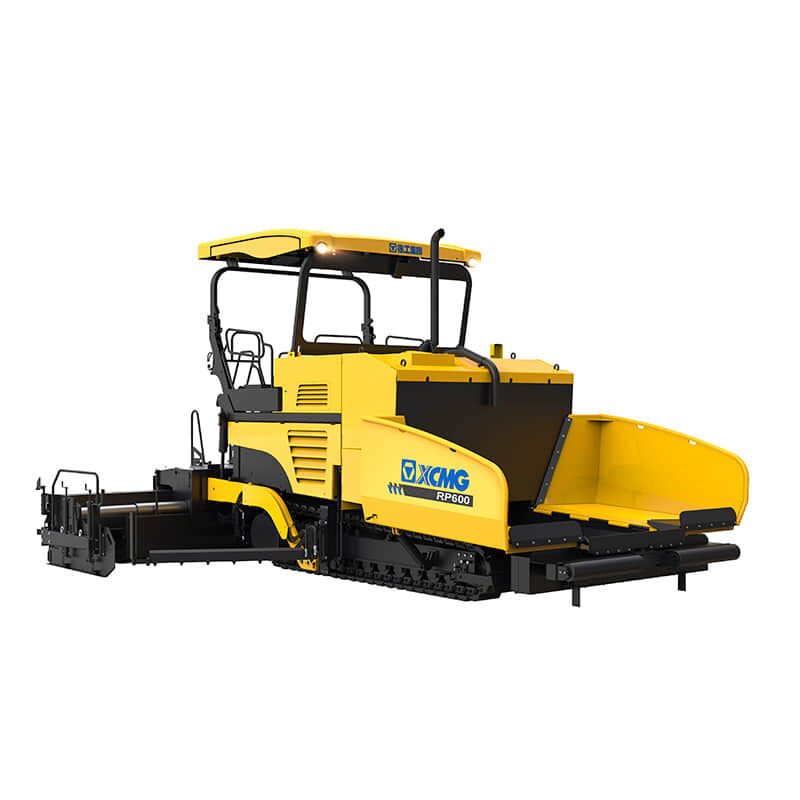
The heavy machinery industry plays a critical role in construction, mining, manufacturing, and various other sectors. While these machines are essential for large-scale projects, they also pose significant risks to workers, with accidents often leading to severe injuries or fatalities. As the demand for greater productivity and efficiency continues to rise, so does the need for innovative safety measures. Over the past few decades, technological advancements have dramatically improved safety standards in heavy machinery, making workplaces safer for workers in high-risk environments. From automated systems and sensor technologies to advanced personal protective equipment (PPE), these innovations are helping prevent accidents and enhance the overall safety culture in industries reliant on heavy machinery.
One of the most notable safety innovations in Backhoe Loader is the integration of advanced sensor systems. These systems can detect hazards in real time, alerting operators to potential dangers before they lead to accidents. For example, proximity sensors and collision detection systems are increasingly being used to prevent machinery from coming into close contact with workers or other equipment. These sensors can automatically stop the machine or trigger an alarm if a worker enters a hazardous zone. This technology is particularly important in environments like construction sites or mines, where workers are often in close proximity to heavy equipment.
Another significant advancement is the development of machine vision and autonomous systems. Machine vision technologies use cameras and AI algorithms to monitor the surroundings of heavy machinery, identifying potential obstacles, uneven terrain, or other safety risks. This system can work in conjunction with automated driving capabilities to ensure the equipment navigates safely, reducing the risk of human error. For example, autonomous trucks in mining operations use machine vision to detect obstacles in real-time and adjust their routes to avoid collisions. This technology not only improves worker safety but also enhances operational efficiency by reducing downtime and human intervention.
Personal protective equipment (PPE) has also seen significant advancements in recent years. Wearable technologies integrated with PPE are improving safety monitoring and worker well-being. For instance, wearable sensors can track workers’ vital signs, such as heart rate and body temperature, alerting supervisors if a worker is at risk of heat stress, fatigue, or other health issues. In high-risk environments like mining or construction, where workers are exposed to extreme conditions, these smart PPE systems are invaluable in preventing injuries and ensuring workers’ health is continuously monitored.
In addition, the rise of wearable exoskeletons represents a groundbreaking innovation in worker safety. These devices assist workers in lifting heavy loads by providing external support to their muscles and joints. By reducing the physical strain on workers, exoskeletons lower the risk of musculoskeletal injuries, which are common in industries that involve heavy lifting or repetitive motions. These wearable devices not only enhance safety but also improve productivity, as workers can perform tasks with greater ease and less fatigue.
Moreover, the implementation of telematics systems in heavy machinery has been instrumental in enhancing safety. Telematics technology allows fleet managers to monitor machinery in real time, tracking its condition, performance, and even the behavior of operators. This data helps identify risky behaviors such as speeding, harsh braking, or equipment misuse, enabling managers to take corrective actions before accidents occur. By analyzing trends and performance data, companies can also schedule maintenance proactively, preventing mechanical failures that could lead to accidents.
In conclusion, safety innovations in heavy machinery are playing an essential role in protecting workers in high-risk environments. The integration of advanced sensors, machine vision, autonomous systems, smart PPE, and telematics is transforming how heavy machinery is operated, making work sites safer and more efficient. As these technologies continue to evolve, the potential for further reducing accidents and improving safety standards is immense, ultimately creating safer workplaces for those who rely on heavy machinery to carry out their work.
