The moving industry has undergone a deep shift over the past century, evolving from simple physical science designs to extremely sophisticated, reticulate systems. In the early days, cars were a luxuriousness for the wealthy, supercharged by vestigial engines and minimal technical features. Over time, however, subject advancements have made automobiles more available, safer, efficient, and environmentally amicable. Today, conception in moving applied science is forward at an unexampled rate, with thinning-edge developments ranging from electric vehicles to self-directed driving systems. The hereafter of transportation is no yearner express to the orthodox car, and it promises to reshape the way people move across cities and the worldly concern.
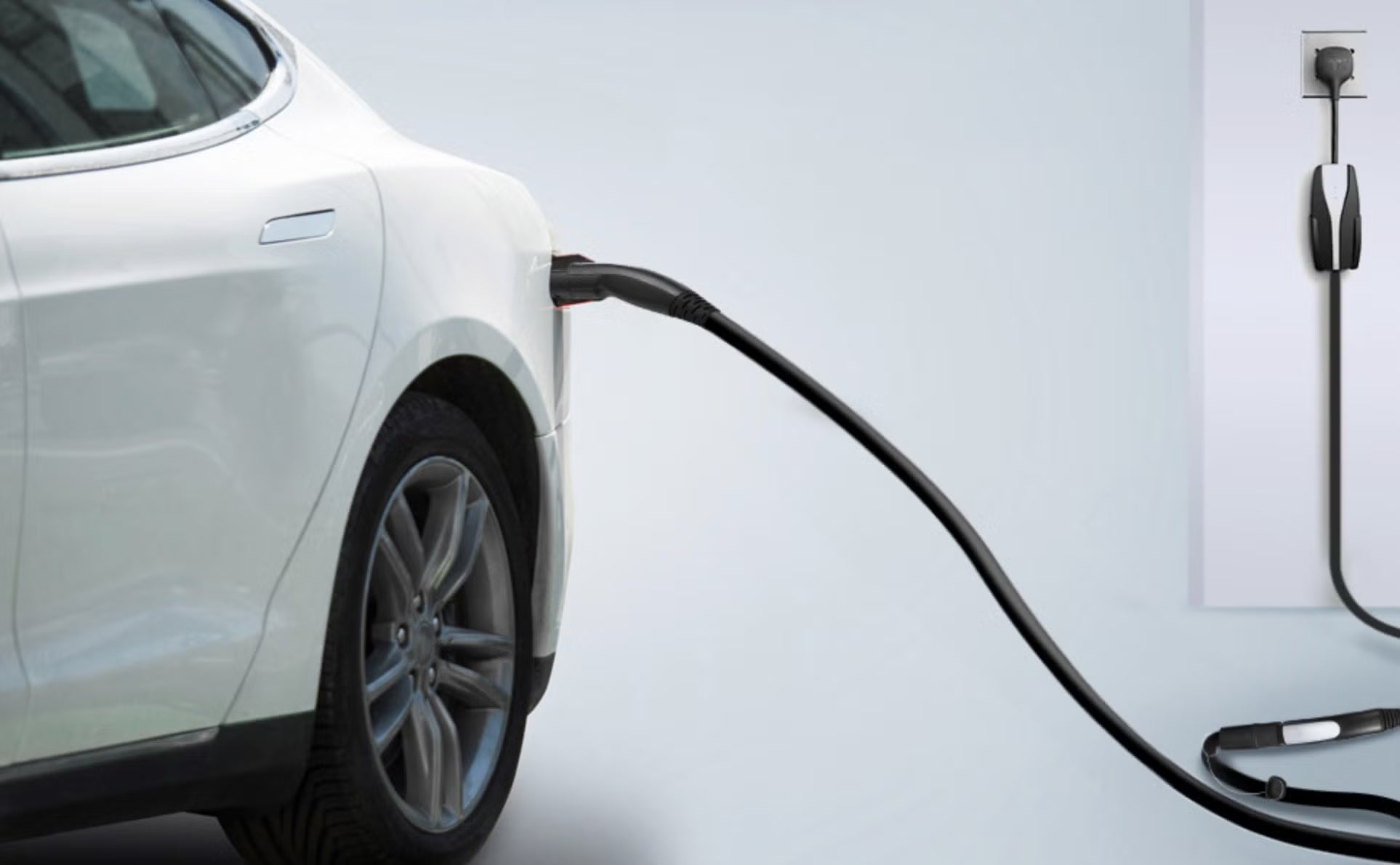
One of the most considerable changes in the audi mileage blocker fitting industry in Recent epoch geezerhood has been the rise of electric automobile vehicles(EVs). Once considered a recess commercialize, electric car cars are now becoming a mainstream alternative to gasolene-powered vehicles. Thanks to improvements in stamp battery technology, EVs can now jaunt thirster distances on a I charge and are becoming more cheap for the average consumer. Leading automakers such as Tesla, Nissan, and Ford have embraced this shift toward electrification, while traditional manufacturers like General Motors and Volkswagen are investment to a great extent in EV development. Governments world-wide are also playacting a crucial role in promoting the adoption of electric automobile cars by offer incentives such as tax credits, rebates, and the twist of extensive charging substructure.
As the earth progressively turns to electric automobile superpowe, the automotive industry is also exploring new forms of vitality for transportation. Hydrogen fuel cell applied science, for example, is another likely option to traditional gasoline and diesel engine engines. While hydrogen-powered vehicles are still in their babyhood compared to electric automobile cars, they offer the potential for faster refueling multiplication and yearner ranges, qualification them an attractive option for commercial and heavily-duty transportation system. Companies such as Toyota and Hyundai have already launched H-powered cars, and with advancements in substructure and product, H fuel cells could become a feasible solution for clean transportation system in the near futurity.
In summation to and alternative fuel sources, autonomous driving is one of the most stimulating and riotous innovations in the moving earth. The of self-driving cars has been a matter of venture for decades, but with Recent epoch advancements in false tidings, simple machine encyclopedism, and sensing element technologies, independent vehicles are now a reality. Companies like Waymo, Cruise, and Tesla are already examination and deploying self-driving cars on world roads, with the aim of revolutionizing transportation. These vehicles have the potentiality to reduce traffic accidents, optimize dealings flow, and provide greater mobility for people who are impotent to due to age or disability. However, challenges such as regulative hurdles, ethical dilemmas, and world sufferance still remain, and it may take geezerhood before full autonomous vehicles become mainstream.
The advent of wired and smart vehicles is another area of design transforming the self-propelling landscape painting. Modern cars are more and more equipped with advanced infotainment systems, GPS navigation, voice recognition, and real-time traffic updates. These technologies not only enhance the driving see but also better refuge by sanctioning features like machine rifle emergency braking, lane exit warnings, and adaptive cruise control. In the time to come, connected cars will be able to put across with each other and with substructure such as dealings lights, roadstead, and parking spaces, creating a more smooth and effective environment.
The self-propelling industry is also centerin on sustainability and reducing its environmental affect. Manufacturers are workings on rising fuel , using light and more eco-friendly materials, and incorporating property manufacturing processes. Hybrid vehicles, which combine intragroup engines with electric motors, are another nonclassical option for reduction emissions while maintaining the convenience of traditional vehicles.
The moving industry stands at the cusp of a new era, with around-the-clock subject innovations it forward. The vehicles of tomorrow will be , smarter, and more effective, and they will change the way we think about transit. While the travel toward this futurity is filled with challenges, it is that the automotive manufacture is moving in the direction of a more sustainable, connected, and automated earthly concern.